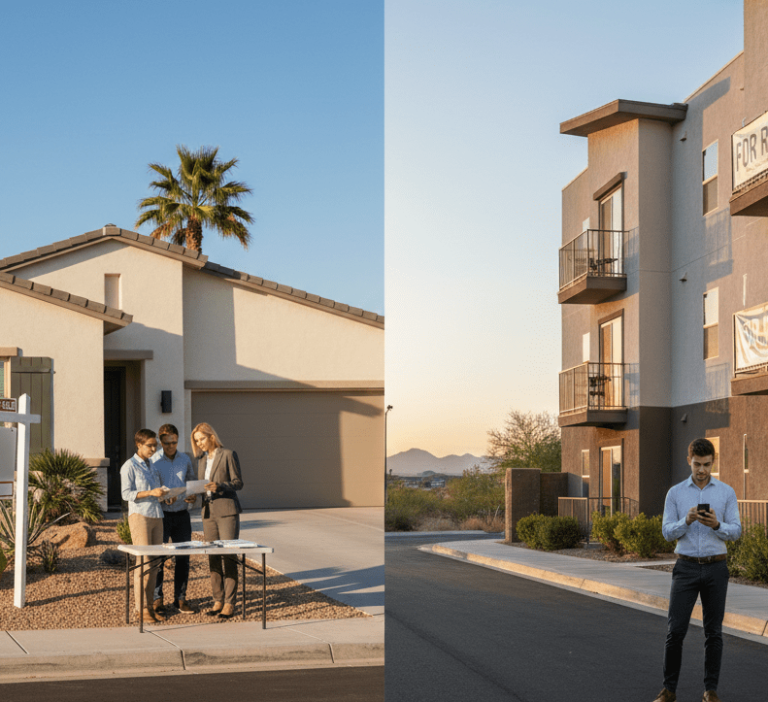
Selling a house in Georgia can be both exciting and challenging for homeowners. This step-by-step guide will walk you through everything you need to know about selling a house in Georgia – from prepping your home and choosing the right selling method, to navigating offers and closing the deal. Georgia’s real estate market has its own quirks (like attorney-required closings and unique tax rules), so understanding the process is crucial. By following this guide, you can maximize your sale price, minimize stress, and ensure a smooth transaction whether you sell traditionally with a Realtor or opt for a fast cash buyer.
Why it matters: Selling a home is a major financial transaction, and doing it right means more money in your pocket and fewer surprises. Georgia homeowners will learn how to prepare their property, comply with state requirements, and decide on the best strategy (realtor vs. cash sale) based on their goals. Let’s dive into the steps to sell your Georgia home successfully.
Step 1: Decide Your Selling Strategy (Realtor, FSBO, or Cash Buyer)
The first step is to choose how you want to sell your house. In Georgia, homeowners have a few primary options:
- List with a real estate agent: Most sellers hire a Realtor to handle pricing, marketing, negotiations, and paperwork. An experienced agent can often get you top dollar for your home by reaching the most buyers. In exchange, you’ll pay a commission (typically about 5–6% of the sale price). This traditional route is ideal if you want a high sale price and professional guidance through the process.
- For Sale By Owner (FSBO): Selling the home yourself means you won’t pay a listing agent commission, potentially saving thousands. However, FSBO requires that you handle everything – setting the price, marketing the home, fielding buyer calls, negotiating, and understanding legal paperwork. It’s best suited for experienced sellers. Keep in mind you may still need to offer a commission to a buyer’s agent to attract represented buyers (historically around 2–3%), though recent legal changes have made buyer agent fees more flexible in some cases. FSBO can take longer (often 3–6 months) due to limited marketing exposure, and you’ll need to use a flat-fee MLS service to get your listing on Realtor databases if you want broader visibility.
- Sell to a cash buyer: If speed and convenience are your top priorities, a cash home-buying company or real estate investor might be the way to go. Cash buyers (often known as “We Buy Houses” companies) purchase homes as-is for cash, allowing you to avoid repairs and sell fast – sometimes in as little as 7–14 days. This can be a lifesaver if you’re facing a job relocation, financial hardship, or an inherited property you need to liquidate quickly. The trade-off is price: cash offers are typically below market value (often around 70% of the home’s worth). In other words, you’re paying for speed and certainty with a lower profit. Some newer iBuyer platforms might offer closer to market value and still close quickly, but always research the company’s reviews and track record.
Choosing the best option: Think about your goals and circumstances. Do you need to maximize the sale price, or is a quick, hassle-free sale more important? If getting the highest price is critical and you’re not in a rush, a traditional agent-assisted sale is usually the best route. If saving on commissions or having full control appeals to you (and you’re ready to do the legwork), FSBO could work. And if you value a guaranteed fast sale or your property needs lots of repairs, a cash buyer might be worth the lower price. You can also consult a real estate professional for advice on which strategy fits your situation.
Step 2: Choose the Right Time to Sell
Timing can impact both how fast your house sells and how much you get for it. Georgia’s real estate market has seasonal patterns and current market conditions to consider:
- Market conditions: First, assess the broader housing market in your area of Georgia. Is it a seller’s market (high demand, low inventory) or a buyer’s market (more listings, less demand)? In late 2025, for example, home values in Georgia were starting to rebound after a slight dip. Working with a Realtor, you can get local market data on recent sale prices and inventory trends. If prices are trending upward, you might benefit from waiting a bit; if the market is cooling or interest rates are rising, selling sooner might be wiser.
- Seasonality: Georgia generally sees stronger home-buying activity in spring and summer. Families prefer to move when school is out, and pleasant weather makes house hunting easier. Historically, June has been the month when Georgia homes fetch the highest prices on average (about 2% higher than the annual average). If maximizing price is your goal, a summer listing might help. On the other hand, April tends to be the fastest-selling month, with homes selling quicker in April than in other months. Listings in the winter (especially January/February) may take longer to sell and often at lower prices on average. Of course, there are always buyers year-round, but you may need to adjust expectations in slower months.
Market Insight: Houses in Georgia stay on the market for an average of about 64 days (roughly two months) in typical conditions, plus around 35 days from accepted offer to closing, totaling about 99 days to sell a house start to finish. If you have a target move-out date, plan backward from that. For instance, if you need to be out by August, listing by May or June would be prudent to hit that timeline. Conversely, if you need to sell very quickly, you may lean toward a cash buyer or aggressive pricing to shorten that window.
- Personal timing: Consider your own situation. Are you relocating for a job? Dealing with financial deadlines? Make sure to also account for the time needed to prepare the home (which can be a few weeks for repairs and staging). If you’re buying a new home at the same time, coordinating the sale and purchase is important (you might need a temporary rental or a lease-back arrangement from your buyer if closing dates don’t align). Discuss timing with your agent so they can help schedule the listing for optimal results and perhaps advise on the best time to sell a house in Georgia given current conditions.
Bottom line: There’s no perfect time to sell that fits everyone, but spring and early summer often provide a good balance of price and speed in Georgia. Keep an eye on market trends and talk to a local expert. If you have flexibility, aim for those peak seasons; if not, a well-prepared home and the right pricing strategy will be key to attracting buyers even in slower months.
Step 3: Price Your Home Competitively
Setting the right asking price is one of the most important factors in a successful home sale. Price too high, and your house could sit on the market for months. Price too low, and you leave money on the table (or even deter buyers who wonder if something is wrong). Here’s how to get the pricing right in Georgia:
- Do a Comparative Market Analysis (CMA): A CMA looks at recent sale prices of similar homes in your area (same neighborhood or town in Georgia, with comparable size, age, features, etc.). Real estate agents routinely perform CMAs for their clients to pinpoint a smart listing price. The analysis will show you what buyers have been willing to pay for homes like yours in the past few months. For example, if three nearby houses similar to yours all sold around $300,000, that’s a strong indicator for your home’s value. An agent will usually provide a CMA for free as part of their service. If you’re going FSBO, you might purchase a CMA or use online data from sites like Zillow, but be cautious – online estimates can be inaccurate. Some FSBO sellers obtain a broker price opinion (BPO), which is a less detailed, informal appraisal by a licensed real estate professional, to guide their pricing.
- Understand Georgia market values: It helps to know general price trends. As of late 2025, the median home listing price in Georgia was around $394,000, while the median sale price was about $380,000. This suggests many sellers eventually accept a price a bit below their asking. Your local area might differ – metro Atlanta prices, for example, are higher than in rural South Georgia. Use local data: if homes are getting multiple offers above asking in your city, you can price at or slightly above market. If buyers are scarce, you might price a touch under the competition to attract interest.
- Factor in your timeframe: If you need to sell quickly, setting a slightly lower, very competitive price can generate more immediate interest or multiple offers. If you have time, you can price ambitiously but be ready to reduce the price if you get little traction after a few weeks. Avoid overpricing as a strategy – in Georgia’s market, overpricing often backfires, leading to a stale listing that eventually sells for less than it could have if priced right initially.
- Highlight unique features (but stay realistic): Maybe your home has a finished basement or is in a top school district – such perks can justify a higher end of the price range. However, be careful not to let personal attachment inflate your number. Buyers will compare your home to others on the market. If your price is significantly higher than a similar house down the street, expect buyers (or their agents) to question why. It’s better to price correctly and attract a larger pool of buyers, increasing the chance of a bidding war that drives your sale price up organically.
- Leave room for negotiation: It’s common in Georgia for buyers to negotiate some off the asking price or request closing cost credits. Some sellers price their home 1–2% higher anticipating this negotiation. But don’t go too high; you don’t want to scare off buyers entirely. For instance, if your true goal price is $300k, listing at $306k and being willing to come down a bit could be reasonable. Listing at $350k would just deter serious buyers. The goal is to appear fair and within market range, so that buyers see your home as a must-see property.
Pro tip: If you’re unsure, start with a slightly conservative price and gauge the response in the first 1–2 weeks. If buyers flood your open house and you get multiple offers, great – the market might even bid the price up. If you get few showings and no offers, that’s a sign the price may be too high. It’s better to adjust early than to have the home languish. Above all, rely on data – what similar Georgia homes have sold for – rather than gut feeling. A well-priced home will attract more buyers quickly, which often results in a higher final sale price than an overpriced home that requires reductions.
Step 4: Prepare Your House for Sale

Georgia buyers will respond best to a home that looks well-cared for, inviting, and move-in ready. Preparing (or “staging”) your house can significantly boost its appeal and value. Here’s how to get your property show-ready:
- Declutter and clean: Start by removing clutter and personal items. A tidy, depersonalized space helps buyers imagine themselves living there. Go through each room and edit down belongings – put excess furniture in storage, clear off countertops, and pack away family photos or quirky decorations. Aim for a bright, clean look. Next, give the house a deep clean from top to bottom. This means shampooing carpets, mopping floors, scrubbing bathrooms and the kitchen, and making windows sparkle. Pet odors or smoke smells are a huge turn-off, so address those (professional cleaning or air-out as needed). A clean, fresh-smelling home signals to buyers that it’s been well maintained.
- Make necessary repairs: Fix the little things that signal disrepair. Replace burned-out light bulbs, fix leaky faucets, repair any holes or scuffs in walls, and ensure all appliances and HVAC systems are working properly. These minor fixes can prevent buyers from seeing the home as a “project.” If there are material defects (like a known plumbing issue or an electrical problem), decide whether to fix them now or be prepared to disclose them. Remember, Georgia is a buyer-beware state, which means sellers aren’t obligated to fill out a long disclosure form, but you must reveal any known material defects or safety issues if asked. It’s often better to address problems upfront – either fix them or disclose and price accordingly – than to have them derail your sale later. In some cases, investing a bit in repairs now can save you from a buyer demanding a big concession during inspections.
- Consider upgrades for added value: Some home improvements can offer a strong return on investment. You don’t need a full renovation, but strategic upgrades help. Low-cost, high-impact improvements include painting walls in neutral colors, updating outdated light fixtures, replacing old or stained carpet, and improving curb appeal with landscaping touches. Even simple kitchen and bathroom updates – like new hardware or faucet fixtures – can modernize the space without breaking the bank. According to industry data, Georgia sellers who make thoughtful improvements (spending a few thousand dollars on paint, repairs, and curb appeal) often recoup that and more in a higher sale price. On the flip side, major renovations (like a complete kitchen overhaul) right before selling might not pay off unless your home is very outdated compared to others on the market. Focus on fixes that remove buyer objections (e.g., replace an old leaking roof or HVAC if you can afford to, as many buyers balk at homes with failing big-ticket items). Always weigh the cost of an improvement against the potential boost in sale price. If unsure, get advice from your Realtor on what Georgia buyers expect in your price range.
- Stage and boost curb appeal: First impressions matter. For curb appeal, ensure your exterior looks welcoming – trim the lawn and hedges, plant some fresh flowers or put potted plants by the door, pressure-wash driveways or siding if dirty, and make sure your house number is visible. Maybe add a fresh coat of paint to the front door for a pop of color. For the interior, staging can be as simple as rearranging furniture to highlight space and flow, adding tasteful decor like throw pillows or art, and letting in plenty of natural light. Open blinds and consider adding lamps in darker corners. If your home is vacant or your furniture is very old, you might rent a few modern pieces or hire a staging company for key rooms (living room, master bedroom, etc.). Staged homes tend to photograph better and help buyers emotionally connect to the space. According to the National Association of Realtors, a well-staged home can sell faster and sometimes for a higher price because buyers can more easily imagine living there.
- Documentation and guarantees: Assemble any warranties or receipts for recent repairs or upgrades (for example, a new roof or water heater warranty). This shows buyers that investments have been made in the home’s upkeep. In Georgia, while not required by law, many sellers fill out a Seller’s Disclosure Statement detailing the condition of the home (age of systems, any past issues, etc.). Providing this upfront can increase buyer confidence. Also remember the federal requirement: if your home was built before 1978, you must disclose any known lead-based paint and provide the EPA pamphlet on lead hazards to buyers. Most standard home sale contracts in Georgia will include this, but be prepared if it applies.
- Pre-inspection (optional): Some sellers opt for a pre-listing home inspection by a professional inspector. This proactive step can uncover any hidden problems before a buyer finds them. If the inspection reveals issues, you can fix them ahead of time or price the home accordingly. While this costs a few hundred dollars, it can prevent nasty surprises and give you peace of mind that you won’t be blindsided during the buyer’s inspection. It’s not required, but in older homes it can be very useful.
Finally, be mindful that the level of prep might depend on your selling route. If you’re selling to a cash investor “as-is,” you might skip many repairs and staging – those buyers expect some issues and price accordingly. Just be clear in advertising that you’re selling as-is. But if you’re aiming for regular buyers (with an agent or FSBO), putting in the effort to make your home shine is worth it. The better your house looks, the more buyers it will attract and the higher price it can command.
(Tip: If time is extremely tight or you can’t afford repairs, you can still sell — just understand you’ll likely get lower offers. Some Georgia home sellers in a hurry choose to sell as-is for cash, accepting a lower price to avoid the prep work. But if you can manage some prep, even a little effort can pay off big in your sale price.)
Step 5: Market Your Home Effectively
With your Georgia home cleaned and prepped, it’s time to list it for sale and attract buyers. Effective marketing will ensure your property gets seen by as many potential buyers as possible:
- Hire a professional photographer: Great photos are critical since most buyers will first see your home online. Bright, high-resolution images of well-staged rooms will make your listing stand out. Consider hiring a professional real estate photographer – it’s relatively affordable and can make a big difference. They know how to capture flattering angles and lighting. According to industry analysis, listings with professional photos get significantly more views and sell faster than those with dark or blurry pictures. If you have a large or high-end property, you might even add a virtual tour or drone photography to showcase aerial views of your Georgia property (especially if you have a great yard or location).
- Write a compelling listing description: Along with photos, your listing text needs to spark interest. Highlight your home’s best features and recent upgrades. Mention desirable aspects like a renovated kitchen, hardwood floors, energy-efficient windows, or a spacious backyard. Don’t forget location perks: if you’re in a great school district, close to transit, or near a popular park in Georgia, include that. The first few lines of your listing should grab attention – for example: “Charming 4-bedroom Peachtree City home on a cul-de-sac, featuring a modern open kitchen and a backyard oasis with in-ground pool.” Use upbeat but honest language. Avoid all caps or excessive exclamation points; instead, focus on specifics that set your home apart. Your agent can craft this for you if you’re using one. If you’re FSBO, look at listings of similar homes for inspiration (and be sure to proofread; typos can turn off buyers).
- List on the right platforms: To reach buyers, your home should be on the Multiple Listing Service (MLS) – this is the database Realtors use and it feeds major sites like Zillow, Realtor.com, Redfin, etc. If you have an agent, they will handle the MLS listing. FSBO sellers should consider a flat-fee MLS service to get their home in the system; otherwise, you’re limited to for-sale-by-owner websites and Craigslist, which have far less traffic. In addition to MLS, ensure your home is on Zillow and other popular real estate sites (most pull from MLS automatically, but double-check). Leverage social media too: share your listing on Facebook or community groups, and ask friends to spread the word. Sometimes a buyer comes from a friend-of-a-friend who saw a post. Traditional marketing methods still help: a yard sign in front of your house (with a contact number or your agent’s info) catches drive-by interest. If using an agent, they may also do open houses, agent-to-agent networking, or even mailers to get the word out. In a hot market, simply being on MLS with good photos might be enough; in a slower market, you and your agent need to be proactive and creative.
- Target your likely buyers: Think about who might buy your home and target them. Selling a suburban single-family home? Families might be your audience – emphasize the yard, number of bedrooms, and nearby schools. Selling a downtown Atlanta condo? Young professionals might be interested – highlight the proximity to restaurants, the included parking spot, or building amenities like a gym. If your property might appeal as an investment (say, a duplex or a home in a college town that could be rented out), mention high rental demand or potential income. In marketing, one size doesn’t fit all, so tailoring your message to your expected buyer pool can pay off.
- Be responsive and ready to show: Once your marketing is live, be prepared to respond to inquiries quickly. If you have an agent, they will field calls and schedule showings for you. If you’re FSBO, promptly answer phone calls or emails from potential buyers. Serious buyers often tour many homes; if you’re slow to respond, they may move on. Have a system to schedule showings that works for you – you might want to cluster them if you’re occupying the home, to reduce disruption. Keep the home in show-ready condition as much as possible while it’s listed: beds made, dishes put away, floors clean. It’s inconvenient, but you never know when the right buyer will walk through the door. Some sellers even keep a checklist to run through before each showing (open all curtains, turn on lights, a quick vacuum, etc.) to present the home in its best light.
Remember, marketing isn’t a one-time thing. If a couple of weeks pass with little interest, discuss with your agent about adjusting the strategy: maybe improve the photos, tweak the price, or enhance the listing description. The goal is to generate plenty of showings, because more showings mean a higher chance of offers. With effective marketing, you’ll soon find an interested buyer (or several) for your Georgia home.
Step 6: Showings and Negotiating Offers
After your home is on the market, you’ll (hopefully) start getting showing requests and, before long, offers. This stage can be both exciting and stressful. Here’s how to handle showings and negotiations like a pro:
- Acing the showings: When buyers come to see your home, make them feel welcome and allow them to envision living there. If possible, step out during showings – buyers are more comfortable examining the house and discussing it openly without the owner present. Take pets with you or crate them (not everyone loves Fido as much as you do, and some people have allergies or fears). Before each showing or open house, do a quick clean-up: wipe down counters, empty trash, and make sure the home is well-lit and climate-controlled (a comfortable temperature). Small touches can impress: you might set out some cold bottled waters in summer or have a print-out with helpful info (e.g. a list of recent upgrades, or property tax info, or neighborhood amenities and distances) for buyers to take. During open houses, secure or remove valuables just to be safe. The more at ease buyers feel, the more time they’ll spend in your home picturing themselves there, which increases the chance of an offer.
- Receiving offers: Offers will come in the form of a written purchase and sale agreement stating the price and terms the buyer proposes. In Georgia, remember that real estate contracts must be in writing to be legally enforceable (verbal promises don’t count). Key elements to review include the offered purchase price, the amount of buyer’s down payment or earnest money, their financing plan (cash or mortgage – and if mortgage, is it pre-approved?), any contingencies, and the proposed closing date. Common contingencies are: inspection contingency (buyer can inspect and possibly negotiate repairs or back out if serious issues are found), financing contingency (the offer is contingent on the buyer getting their loan), appraisal contingency (the home must appraise at or above the purchase price for the deal to proceed, often tied to financing), and sometimes a home sale contingency (buyer must sell their current home first – this one adds risk to your deal). Also see if the buyer asks for any concessions, like help with closing costs or including certain appliances in the sale.
- Negotiate smartly: As the seller, you have three choices when you get an offer: accept it as-is, reject it, or counteroffer with different terms. Unless an offer is truly too low or unreasonable, it’s often wise to counter rather than outright reject, to keep the door open. Common points to negotiate are price and terms like closing date or which party pays certain fees. For instance, if a buyer offers $290k on your $300k listing and you think that’s low, you might counter at $297k. If the buyer asks you to pay $5,000 of their closing costs, you could counter by offering less credit or adjusting the price accordingly. Negotiation is a bit of a dance – aim for a win-win where both sides feel good. Stay objective and avoid taking offense at low initial offers; some buyers just test the waters. Use data to justify your stance (your agent can help here): e.g., “We’ve priced fairly based on recent comps, and we’ve had good interest, so we feel $300k is appropriate.” If you have multiple offers, you’re in a strong position: you can choose the best one or ask for highest-and-best offers from all parties. When comparing multiple offers, don’t just look at price – consider the strength of the buyer (a cash offer or large down payment might be more likely to close smoothly than a minimal down payment), contingencies (fewer contingencies = less chances to fall through), and closing timeline (does it match yours?). A slightly lower cash offer that can close in 2 weeks might actually beat a higher offer with financing that takes 45 days, depending on your needs.
- Cash vs financed offers: If you’re lucky enough to get a cash offer, it will usually come with no financing contingency and can close faster. Cash buyers may even waive appraisal and some inspections. This means more certainty for you as the seller. However, cash offers are often lower than offers from buyers who need a mortgage (cash buyers know their advantage and may expect a discount). Weigh the pros and cons: a cash deal at a lower price might be worth it if you need a quick, sure sale; but if maximizing price is key and the financed offer is solid, you might lean toward the higher amount. Verify any claim of cash with proof of funds (a serious cash buyer will provide a bank statement or letter showing they have the money ready).
- Responding to offers timely: In Georgia, offers typically have an expiration (for example, “offer valid until 5pm on Friday”). Try to respond within that timeframe. If you need a bit more time (maybe you’re awaiting another offer or need to discuss with a spouse/attorney), communicate that through your agent. Georgia real estate moves at a moderate pace (not as frantic as some markets like SF or NYC), but good offers may not wait around forever. Being respectful and prompt in negotiations sets a positive tone and reduces the chance of a buyer getting cold feet.
Once you and a buyer agree on all terms, both parties will sign the purchase agreement – congratulations, you’re under contract! You’ll typically collect the buyer’s earnest money deposit (often 1–3% of the price) which in Georgia is often held by a neutral escrow agent or attorney. Now you move into the closing process, which involves inspections, appraisals, and a lot of paperwork. The deal isn’t done yet, but you’re on the home stretch.
Step 7: Inspection, Appraisal, and Due Diligence
With a signed contract in hand, the buyer will usually have a due diligence period to further evaluate the home. This stage is about making sure everything is in order for a successful closing. As the seller, your role is to cooperate and negotiate any issues that arise.
- Home inspection: Most Georgia buyers will hire a professional home inspector soon after the contract is signed (often within the first 7-10 days of the contract). The inspector will examine the property from roof to foundation, checking systems and structure, then provide the buyer with a detailed report of any problems or maintenance issues. As the seller, expect the buyer (through their agent) to come back with repair requests or concerns if the report finds significant issues. Common asks include fixing plumbing leaks, addressing electrical hazards, replacing a termite-damaged wood, or servicing an HVAC unit. You may also hear about WDO (wood-destroying organisms) inspections – Georgia’s climate means termite letters are common in real estate transactions. If termites or other pests are found, the buyer will likely request treatment and repairs. You have a few options: agree to some or all repairs, offer a credit (money off the price or at closing) so the buyer can handle it, or politely refuse if the contract allows (though refusing reasonable requests might jeopardize the deal). It becomes a second round of negotiation. If you already knew about an issue (leaky roof, for example) and disclosed it or priced accordingly, stand your ground by noting that the home is already discounted for that condition. On the other hand, if something unexpected came up (say, radon gas or a hidden plumbing leak), it may be fair to work out a solution. The goal is to keep the deal together while also managing your costs. Remember, unless otherwise agreed, you are not obligated to fix everything; it’s a negotiation. But the buyer can walk away if you can’t reach an agreement on major issues, so it’s about finding a fair compromise.
- Appraisal (for financed sales): If your buyer is using a mortgage, their lender will require an appraisal of the home’s value. A licensed appraiser will visit your home (much shorter visit than an inspector) and compare it to recent sales to determine if the contract price is justified. This is mostly the buyer’s concern, but it affects you if the appraisal comes in low. For example, if you agreed to $300,000 but the home appraises at $280,000, the lender may only finance up to the appraised value. That leaves a $20k gap. In such cases, a few things can happen: the buyer might ask you to lower the price to match the appraisal, the deal could fall through if there’s an appraisal contingency, or the buyer might cover the difference in cash (this is less common unless the buyer really loves the home or competition is fierce). How to handle a low appraisal? First, make sure the appraisal is accurate – your agent can look at the comps the appraiser used. If there was a mistake or missing comp, sometimes a challenge or second appraisal can be requested. If the appraisal is unfortunately correct, you’ll need to negotiate. You might meet the buyer halfway (split the difference) or in a softer market you may have to agree to the lower price to keep the deal. In many Georgia sales, appraisals meet value and things proceed smoothly, especially if the initial price was set right.
- Title search and clearing issues: During this period, a title company or closing attorney will perform a title search on your property to ensure there are no liens, claims, or ownership disputes. Typically, as the seller, you should disclose any known liens or assessments upfront (for instance, if you have a tax lien or an unpaid contractor has placed a lien). If the title search does uncover something (maybe an old lien that wasn’t properly cleared, or an heir who had a claim from decades ago), don’t panic – work with the closing attorney to resolve it. Often it’s a clerical matter of payoff or getting a document filed. It’s extremely rare for a title issue to completely derail a sale in Georgia, but it can delay closing if not addressed quickly. You may be asked to pay any outstanding liens from the sale proceeds, which is standard.
- Finalize disclosures and paperwork: If you haven’t already provided a seller’s disclosure form (even though not legally mandated, most agents have sellers fill one out), the buyer will review that now. Ensure it’s truthful to the best of your knowledge – Georgia’s fraud laws require that you answer questions honestly and not conceal known defects. It’s better to disclose issues than to risk legal trouble for hiding something. The buyer’s attorney or title company will also be working with your agent or attorney to get all necessary documents ready for closing. This includes payoff information for your mortgage (you’ll sign a form so the closing agent can get your payoff amount from your lender), any pest inspection reports, warranties, etc. You might be asked to fill out a brief questionnaire about your status (e.g., confirming you are not a foreign person for tax withholding purposes, via a FIRPTA affidavit, which is standard). If your home is in a HOA (homeowners association), you may need to provide the community’s covenants or rules and get a statement of your account to show HOA dues are paid up.
- Insurance and utilities: It’s a good idea to contact your homeowners insurance once you’re under contract to let them know the home is under contract to be sold. Don’t cancel the policy yet – you need it until the day of closing – but have them ready to transfer or end coverage after closing. Same with utilities: plan to have them taken out of your name the day after closing (to ensure they stay on during the closing day). The buyer will arrange to start services in their name at closing.
Throughout this due diligence phase, keep in close contact with your Realtor or attorney. Respond to any requests for information promptly to keep things on track. The standard contract in Georgia often has specific timelines (for example, the buyer must complete inspections and request any repairs by X date). Once you navigate these steps, you’ll be on the final approach to closing day.
Step 8: Closing the Sale in Georgia
Closing day is when the sale becomes official – you hand over the keys and the buyer pays for the home. In Georgia, the closing process has some particular aspects to be aware of:
- Attorney involvement: Unlike some states where escrow or title companies handle closings, Georgia law requires a licensed attorney to oversee all real estate closings (this applies to both buyers and sellers). Typically, the buyer’s lender or the buyer’s side will select the closing attorney (often a real estate law firm), since the attorney will also be preparing the new loan documents. As the seller, you may have your own attorney review documents if you wish, but it’s not mandatory to hire a separate lawyer if you’re comfortable. The important thing is: don’t be surprised when you’re asked to go to a law office for the closing. It’s standard in Georgia that closings occur in an attorney’s office or title company with an attorney present.
Important: Georgia is an “attorney closing” state – a licensed attorney must conduct or supervise the closing. The closing attorney will prepare the deed and settlement documents, and ensure all legal requirements are met. Plan to have a government-issued ID with you at closing and expect to sign documents in the attorney’s presence.
- Final walkthrough: Before the actual signing, many buyers will do a final walkthrough of the house (often the day before or morning of closing) to ensure the property is in the same condition and any agreed repairs have been made. For you, this means the home should be completely vacated and clean unless you’ve negotiated to stay after closing (rare). Remove all personal property (except any items you agreed in the contract to leave, like appliances). Clean out the fridge, sweep floors, and leave the home “broom clean.” If the contract required professional cleaning or carpet cleaning, have that done. During the walkthrough, if the buyer finds something amiss (e.g., a new hole in the wall or an agreed repair not done), it could delay closing or require a solution (like money held in escrow to fix it). So double-check everything is as promised.
- Signing the documents: At the closing appointment, a stack of documents will be signed by both parties. As the seller, your paperwork is lighter than the buyer’s. You will sign the deed transferring ownership to the buyer, a settlement statement (also called a Closing Disclosure or HUD-1 in some cases) which outlines all the money flows in the deal, and a few affidavits (for example, one stating that you have no outstanding liens or judgments, and perhaps a Georgia state tax form). Review the settlement statement carefully: it will show the sale price, then subtract your costs (payoff of any mortgage, commissions, prorated taxes, transfer tax, etc.) and show your net proceeds. Georgia’s transfer tax is customarily a seller expense – it’s an excise tax on the sale, amounting to $1 per $1,000 of the purchase price plus $0.10 per $100 after that (effectively about 0.1% of the price). For example, if you sold for $300,000, the transfer tax is roughly $300. This will appear on your settlement statement. Also, if property taxes have been prepaid or not yet paid for the year, there will be a proration. In Georgia, buyers typically pay the property tax bill for the year at the end, but they get a credit from you for the portion of the year you owned the home. The closing attorney will calculate that. You’ll also see the deduction of the real estate agent commissions (if applicable, usually 5-6% split between your agent and buyer’s agent). All told, expect your total closing costs (including agent fees) to be somewhere around 5% to 10% of the sale price – often on the higher end of that range if you had a full 6% commission. If you’re not using an agent (FSBO or cash deal), your costs will be much lower, perhaps just 1–3% for taxes, attorney, etc. Review everything, ask questions if any line item confuses you (the attorney will explain). Then you’ll sign the deed and a few other pages. Your signature likely will need notarization (the attorney’s staff usually handles that on the spot).
- Receiving your funds: The buyer will have brought their payment (or their lender will wire the loan funds) to the closing. Once all parties have signed, the attorney will record the new deed with the county and disburse funds. If you had a mortgage, the payoff will be sent to your lender. Liens or other expenses will be paid. The net proceeds – i.e., your profit – can usually be given to you via a cashier’s check or wired to your bank account. Wiring is common for large sums; you’d provide your bank routing info in advance and typically see the money hit your account the same day or next business day. Make sure to confirm wiring instructions verbally with the attorney to avoid any fraud (never email your bank info without verifying). Important: Do not cancel your homeowner’s insurance until the deed is recorded or the transaction is confirmed closed. Usually, the policy can be safely canceled the day after closing (since the coverage transfers to the new owner at closing). Also cancel any utilities and services that are in your name effective after the closing date.
- After closing: Hand over the keys, garage door openers, mailbox keys, and any manuals for appliances to the new owner – usually this is done at closing or left in the home. Congratulations, you have successfully sold your house! Keep a copy of the closing packet for your records. In Georgia, the closing attorney may provide a digital or paper copy of everything you signed. You’ll want these for tax purposes (you may need to report the sale on your income taxes, especially if you had a large capital gain). If the property was your primary residence, remember that under federal law you can exclude up to $250,000 of profit from capital gains tax if single ($500,000 if married) as long as you lived in the home 2 of the last 5 years – so many home sales are tax-free, but check with a tax advisor for your situation. Georgia state income tax will also apply to any taxable gains.
Once all is done, celebrate your successful sale! Selling a house in Georgia involves many steps and parties – from agents and attorneys to inspectors and buyers – but by following a structured approach, you’ve turned over a major asset on your own terms.
Conclusion: Selling a House in Georgia Successfully
Selling a house in Georgia requires planning, diligence, and a bit of local know-how, but it’s entirely achievable for any homeowner with the right guidance. By following this step-by-step guide, you’ve learned how to choose the best selling strategy, time your sale advantageously, price your home competitively, and prepare it to win over Georgia buyers. We’ve also covered navigating offers, inspections, and the closing process, including Georgia-specific details like attorney closings and transfer taxes.
The key takeaways? Do your homework, stay organized, and don’t hesitate to seek expert help when needed. Whether you list with a top Georgia Realtor to get the highest price or decide to work with a cash buyer for a quick, as-is sale, understanding each step will help you avoid pitfalls and maximize your outcome. Always keep communication open with the professionals involved – agents, attorneys, and inspectors are there to help you through the process. And remember to remain flexible and patient; negotiations and minor hiccups are normal in any home sale.
Finally, don’t forget your end goal: a successful sale that meets your needs, be it highest profit or fastest timeline. With preparation and the right team in your corner, selling a house in Georgia can be a smooth and rewarding experience.