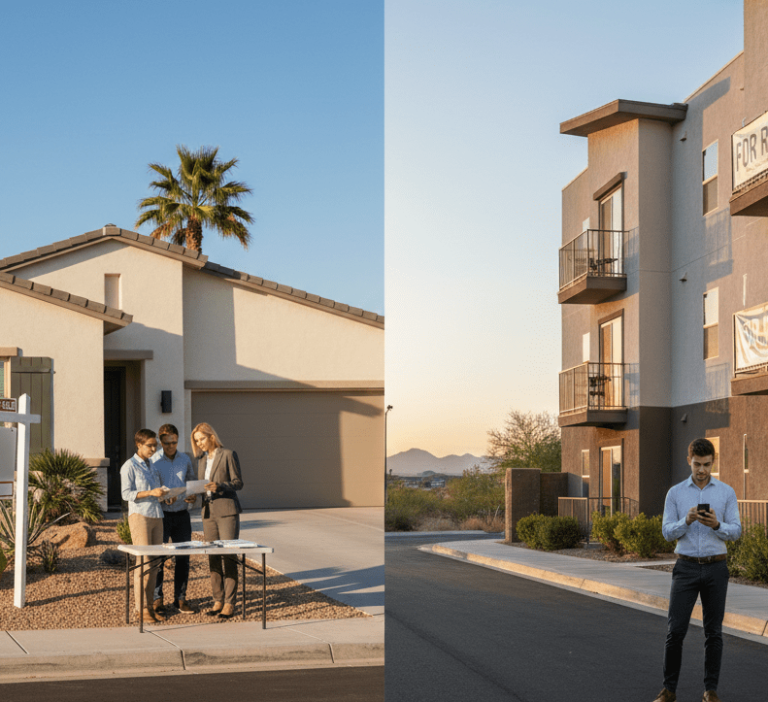
Phoenix has long been one of the fastest growing cities in the United States, and the rental market continues to reflect that momentum. As 2026 approaches, renters, landlords, and real estate investors are paying close attention to shifting prices, changing demand patterns, and broader economic factors shaping housing decisions. Understanding Phoenix rental market trends 2026 is essential for anyone planning to rent, invest, or reposition property holdings in the metro area.
Population growth, job expansion, and lifestyle migration continue to fuel demand across Phoenix and its surrounding suburbs. At the same time, rising construction costs, interest rate adjustments, and affordability concerns are influencing how renters and property owners respond. These competing forces are creating a rental market that is more balanced than previous years, yet still competitive in many neighborhoods.
This guide breaks down what is happening now, what is expected this year, and how Phoenix rental market trends 2026 may impact prices, tenant demand, and long term rental strategies.
Current Snapshot of the Phoenix Rental Market
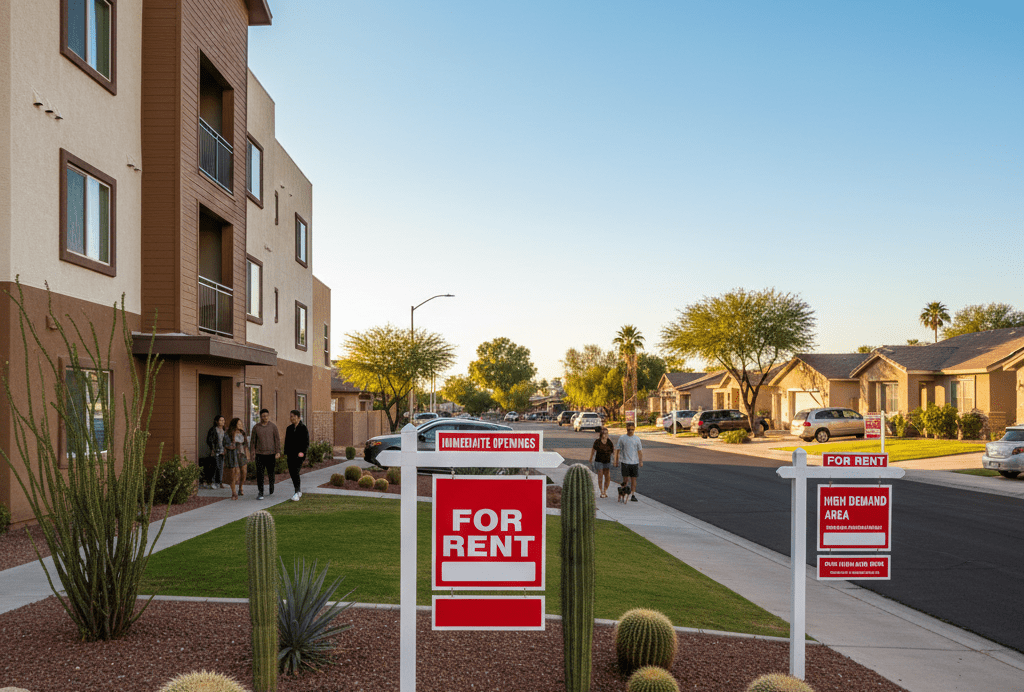
Phoenix entered 2025 after several years of rapid rent growth. While price increases have moderated compared to earlier peaks, rental rates remain higher than pre pandemic levels. Vacancy rates have slightly increased in some submarkets due to new multifamily supply, but demand continues to outpace availability in popular residential areas.
Single family rentals remain especially competitive as many would-be buyers remain priced out of homeownership. This ongoing pressure is a key driver behind Phoenix rental market trends 2026, particularly in suburban communities with strong schools and amenities.
To understand how the market price shifts are building toward next year, refer to the Arizona rental property forecast 2025, which outlines recent rent performance and expectations.
Multifamily properties are experiencing more variation. New developments have increased choices for renters, which has slowed rent growth in certain apartment corridors. However, well located properties with updated features continue to command premium pricing.
Rental Price Expectations for 2026
Rental pricing is expected to stabilize further in 2026, with moderate increases rather than sharp spikes. Analysts project average annual rent growth in the low single digits, depending on neighborhood and property type. Phoenix rental market trends 2026 suggest that affordability will remain a key concern, especially for first time renters and working families.
Suburban areas such as Chandler, Gilbert, and Peoria are likely to see steady demand and modest price increases. Central Phoenix and downtown areas may experience more pricing flexibility as renters compare new developments and negotiate lease terms.
Single family rental prices are expected to outperform apartments due to limited inventory and sustained demand. Investors focusing on detached homes may continue to benefit from stable occupancy and consistent cash flow.
Demand Drivers Shaping Phoenix Rentals
Several factors continue to influence rental demand across the metro area. Job growth remains one of the strongest contributors. Phoenix has attracted employers in technology, healthcare, manufacturing, and logistics, drawing new residents who often choose to rent before buying.
Lifestyle migration also plays a role. Warmer weather, lower taxes, and a lower cost of living compared to coastal cities continue to attract remote workers and retirees. These groups often seek flexible rental options, reinforcing Phoenix rental market trends 2026 that favor long term rental stability.
Another important factor is home affordability. Rising mortgage rates and home prices have delayed buying plans for many residents, extending their time in the rental market. This trend is expected to continue into 2026, supporting rental demand even if overall population growth slows.
Neighborhoods to Watch in 2026
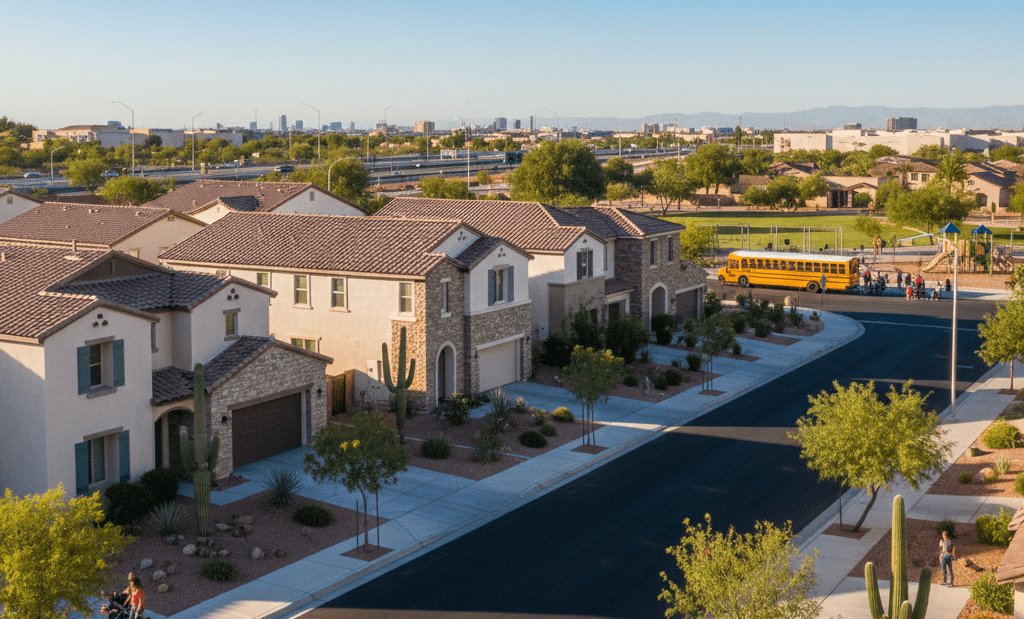
Not all areas of Phoenix perform equally in the rental market. Neighborhood level trends will matter more than citywide averages. Suburbs with strong school districts, newer infrastructure, and proximity to employment hubs are expected to outperform.
Areas near expanding job centers and transportation corridors are likely to see increased renter interest. Communities offering a balance of affordability and amenities will attract both families and professionals.
Investors evaluating Phoenix rental market trends 2026 should focus on submarkets with limited new supply, as these areas tend to experience more stable rent growth and lower vacancy rates.
Impact of New Construction on Rental Supply
Phoenix has experienced a surge in apartment construction over the past few years. While this has increased overall rental inventory, much of the new supply targets higher income renters. As a result, affordability gaps persist for middle income households.
The City of Phoenix has published its housing needs assessment and ongoing initiatives to address affordability and rental housing availability, which provide important context for understanding Phoenix rental market trends 2026 and the structural forces shaping rent dynamics.
In 2026, new construction is expected to slow slightly due to higher financing costs. This could tighten supply over time, especially if population growth continues. Phoenix rental market trends 2026 indicate that reduced construction activity may help stabilize rents rather than push them downward.
Single family rental construction remains limited, reinforcing demand for existing homes. Investors holding well maintained properties are likely to benefit from consistent tenant demand.
Investor Outlook and Rental Strategies
For real estate investors, Phoenix rental market trends 2026 point toward a more strategic approach. Rapid appreciation may no longer be the primary driver, but long term income stability remains attractive.
Investors examining Phoenix rental market trends 2026 should also consider broader Phoenix real estate investment dynamics that affect both rental pricing and long-term return expectations.
Investors exploring off market opportunities may find value in properties that require light renovation or repositioning. Understanding tenant preferences and focusing on property management quality will be critical.
Those interested in rental investment strategies can explore insights shared in the investors guide to off market rental properties in Phoenix, which outlines ways to identify undervalued opportunities and structure competitive offers without relying solely on public listings.
Renters’ Expectations and Leasing Trends
Renters are becoming more selective. Flexible lease terms, energy efficient features, and well maintained properties are increasingly important. Phoenix rental market trends 2026 show that renters are willing to pay slightly higher rents for homes that reduce utility costs and offer modern conveniences.
Lease negotiations are also becoming more common in areas with higher apartment supply. Rent concessions, move in incentives, and upgraded units are strategies landlords are using to maintain occupancy.
Single family rentals continue to attract long term tenants who value privacy, outdoor space, and stable lease arrangements.
Short Term Rentals vs Long Term Rentals
Short term rentals remain regulated in many Phoenix area communities. While tourism continues to support demand, rising operational costs and compliance requirements have made long term rentals more attractive for many property owners.
Phoenix rental market trends 2026 suggest a gradual shift back toward traditional leasing, particularly in residential neighborhoods. Long term rentals provide predictable income and reduced management complexity, which appeals to both local and out of state investors.
Cost of Living and Rental Affordability
Affordability remains a central concern for renters. While Phoenix is still more affordable than many major metros, rising housing costs have narrowed the gap. Utilities, transportation, and insurance expenses also factor into renters’ budgets.
Those evaluating Phoenix rental market trends 2026 should consider broader cost of living data, especially when comparing Phoenix to other regional markets. This context helps renters and investors assess whether current pricing aligns with long term sustainability.
Property Management and Tenant Retention
Effective property management plays a growing role in rental success. As competition increases, tenant experience becomes a differentiator. Responsive maintenance, transparent communication, and fair pricing contribute to longer lease terms and lower turnover.
Owners considering professional support may benefit from understanding local management options. Services focused on maintenance, tenant screening, and compliance can help preserve property value and rental income over time.
Comparing Phoenix to Other Regional Markets
Phoenix often gets compared to markets in Georgia and Texas due to similar growth patterns. While each region has unique dynamics, Phoenix stands out for its consistent population growth and favorable tax environment.
Investors comparing markets may find helpful context in a comparison of Georgia vs Arizona real estate markets, which highlights differences in rental demand, pricing trends, and investment risk across regions.
Phoenix rental market trends 2026 suggest that while growth may be slower than peak years, the market remains resilient and attractive for long term strategies.
Long Term Outlook Beyond 2026
Looking beyond 2026, Phoenix is expected to maintain steady rental demand supported by job growth and lifestyle migration. Infrastructure investments and economic diversification further support housing stability.
While price volatility may occur in certain submarkets, the overall outlook remains positive. Phoenix rental market trends 2026 reflect a transition toward a more balanced environment that rewards informed decision making rather than speculation.
FAQs
Will rental prices decrease in Phoenix in 2026?
Most forecasts suggest stabilization rather than significant declines, with moderate growth depending on location.
Is Phoenix still a good market for rental investment?
Yes, especially for investors focused on long term income rather than short term appreciation.
Are apartments or single family rentals performing better?
Single family rentals continue to see strong demand due to limited supply.
How does population growth affect rental demand?
Continued migration supports demand, particularly among renters delaying home purchases.
Should renters expect more negotiation power?
In some apartment markets, yes, especially where new supply is high.
Conclusion
Phoenix rental market trends 2026 point to a maturing yet resilient housing environment. While explosive growth has slowed, demand remains strong across many neighborhoods, supported by population growth, employment opportunities, and ongoing affordability challenges in homeownership.
Renters can expect more choice and slightly improved negotiating power, while landlords and investors should focus on property quality, management efficiency, and long term planning. Understanding local dynamics, neighborhood trends, and tenant expectations will be key to success.
As Phoenix continues to evolve, staying informed about Phoenix rental market trends 2026 will help renters make smarter housing decisions and investors position their portfolios for steady performance in the years ahead.