
When most people think about real estate, they picture suburban homes with white picket fences or towering apartment complexes in the heart of a city. While those are excellent ways to build a portfolio, there is a quieter, more foundational strategy that sophisticated investors have used for centuries to build generational wealth: land banking. At its simplest, land banking investment is the practice of purchasing undeveloped land in the “path of progress” and holding it until the surrounding area matures and the demand for that land skyrockets.
In 2026, the real estate landscape has shifted. With developed property prices in major hubs reaching new peaks, savvy investors are looking “upstream” in the value chain. Instead of competing for finished houses, they are securing the very ground those houses will eventually be built on. This strategy requires a unique blend of foresight, patience, and a deep understanding of how cities grow. In this guide, we will break down why land banking remains one of the most resilient wealth-building tools available today.
How Land Banking Investment Works in 2026
The core philosophy of land banking is “buying by the acre and selling by the foot.” The goal is to identify parcels of land that are currently undervalued because they lack infrastructure or zoning entitlements but are positioned in areas where population growth is inevitable. As the city expands, what was once a quiet patch of rural land becomes the prime location for a new shopping center, a hospital, or a residential subdivision.
The process typically follows a specific lifecycle. First, an investor identifies a growth corridor, often near a planned highway expansion or a new employment hub. Once the land is acquired, the holding phase begins. During this time, the investor may choose to do nothing, or they might work on “entitlements,” which involves rezoning the land or obtaining development permits to make it more attractive to future buyers. Eventually, when the market demand peaks, the land is sold to a developer or a builder for a significant profit.
The Tangible Benefits of Owning Raw Land
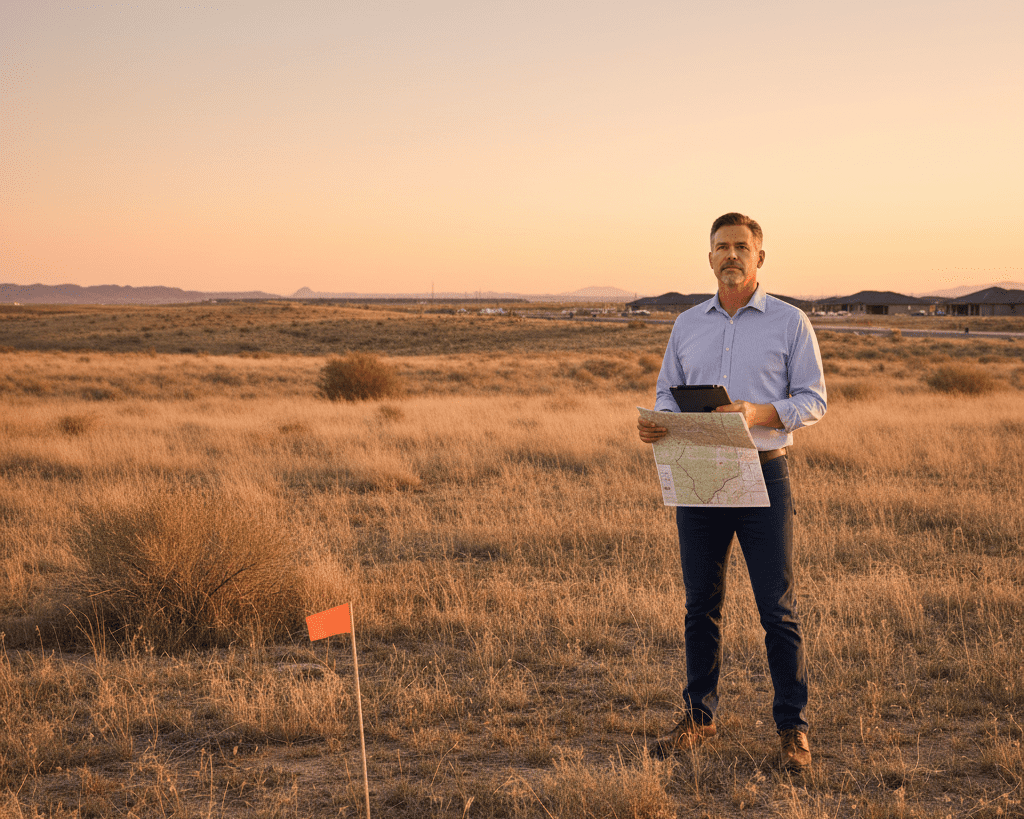
One of the most appealing aspects of a land banking investment is the lack of “tenants, toilets, and termites.” Unlike residential rentals, raw land is an incredibly low-maintenance asset. You don’t have to worry about middle-of-the-night plumbing emergencies or the wear and tear that comes with physical structures. Your primary ongoing costs are typically just property taxes, which are often significantly lower for undeveloped land than for developed real estate.
Land is also a finite resource. They aren’t making any more of it, and as populations continue to rise in states like Georgia and Arizona, the demand for well-positioned plots only goes up. This scarcity creates a natural hedge against inflation. While the value of currency may fluctuate, a physical asset like land tends to maintain its real-world value over the long term. For those looking to diversify their assets, checking out a comparison of Georgia vs Arizona real estate markets can help you decide which growth corridor fits your specific wealth goals.
Identifying the Path of Progress
Success in land banking investment is entirely dependent on location and timing. You aren’t just looking for “cheap land”; you are looking for land that has a reason to become expensive in five to ten years. In 2026, this often means looking toward secondary markets and the outskirts of fast-growing metros. For instance, as the core of Phoenix becomes more densely packed, the surrounding rural areas become the next logical step for suburban expansion.
Understanding population growth patterns is essential when identifying future development areas. The United States Census Bureau provides official data on population growth and migration trends, helping investors evaluate where demand for housing and infrastructure is expected to increase. Reviewing these trends allows land banking investors to make informed decisions about locations with strong long-term growth potential.
Look for “anchors” that drive growth. These include things like new Amazon distribution centers, large-scale solar farms, or government infrastructure projects. When a new exit is added to a major interstate, the land around that exit immediately becomes more valuable. By studying municipal planning documents and transit maps, you can spot these opportunities before the general public does. This proactive approach is what separates a speculative gamble from a calculated land banking investment.
Managing Risks and Market Volatility
While the upside can be massive, land banking is not without its challenges. The biggest risk is illiquidity. You cannot sell a 40-acre plot of land as quickly as you can sell a share of stock. If you find yourself in a position where you need cash immediately, land might not be the best asset to rely on. It is a game for patient capital.
Another risk is “zoning risk.” If you buy land with the hope of it being rezoned for commercial use, but the local government decides to keep it strictly agricultural, your profit margins could be affected. This is why thorough due diligence is vital. Investors must investigate environmental issues, water rights, and local political climates before committing to a purchase. Understanding the rural property investment in Arizona landscape can provide a clearer picture of the specific regulatory hurdles you might face in the desert southwest.
The Role of Entitlements in Adding Value
For those who want to take a more active role in their land banking investment, “paper lots” or entitlements are the way to go. Entitlement is the legal process of obtaining approvals from local government entities for a specific land use. This could include getting a parcel approved for a certain number of homes per acre or securing permission for a mixed-use development.
A piece of land with “ready-to-go” permits is worth significantly more to a builder than raw land because it saves the builder years of bureaucratic headaches. By doing the legwork to get the land entitled, you are essentially “manufacturing” value. This shift from a passive hold to an active development-ready state can often double or triple the value of the original land banking investment before a single shovel ever hits the ground.
Land Banking as a Multi-Generational Wealth Tool

Many of the wealthiest families in America built their fortunes by simply holding land while the world grew up around it. Land banking investment is an ideal tool for estate planning because of its durability. It is a physical legacy that can be passed down through generations. While buildings can crumble and styles change, the dirt remains.
In 2026, we are seeing more individual investors move away from the volatility of the stock market and toward tangible assets they can see and touch. Land provides a sense of security that digital assets simply cannot match. It serves as a “forced savings account” where your wealth is tucked away, shielded from the temptations of quick spending and the noise of daily market fluctuations.
Integrating Land into a Balanced Portfolio
A smart investor doesn’t put all their eggs in one basket. Land banking investment should ideally be one part of a broader real estate strategy. While land provides the high-upside “growth” portion of your portfolio, you might also want income-producing assets to handle your monthly cash flow needs.
For example, you might use the profits from a successful land sale to transition into more stable, cash-flowing properties. Many investors find that the capital gains from a well-timed land exit are the perfect fuel for their next venture. If you are looking for ways to generate immediate returns while your land appreciates, you might explore how to buy homes in Atlanta that offer both rental income and long-term appreciation.
Tax Advantages and Carrying Costs
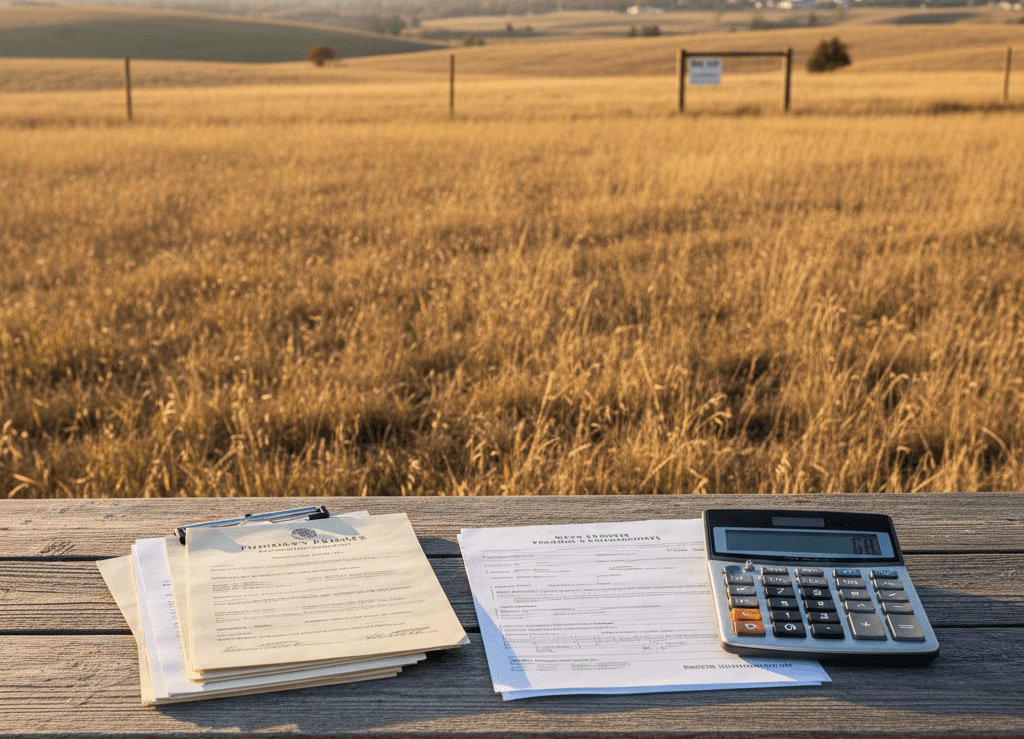
Even though raw land doesn’t produce monthly rent, it still offers several tax benefits. In many jurisdictions, the property taxes on undeveloped land are quite low, and the interest on a loan used to purchase the land may be tax-deductible under certain circumstances. Additionally, if you hold the land for more than a year, your profits upon sale are typically taxed at the more favorable long-term capital gains rate rather than as ordinary income.
Carrying costs are the minor expenses you pay to maintain the asset. Beyond taxes, this might include small fees for weed abatement, basic fencing, or insurance. For a successful land banking investment, you want to ensure that these carrying costs are manageable so that you aren’t “forced” to sell before the market is truly ready. A well-capitalized investor can outlast market dips and wait for the perfect exit window.
Environmental Due Diligence
In 2026, environmental regulations will become stricter than ever. Before finalizing a land banking investment, it is critical to perform a Phase I Environmental Site Assessment. This checks for historical contamination, such as old fuel tanks or industrial runoff, which could lead to massive cleanup costs down the road.
You also need to check for “protected status.” If your land is home to an endangered species or contains protected wetlands, your development options could be severely limited. These are the kinds of details that aren’t always obvious to the naked eye but can make or break the ROI of your investment. A professional land survey and environmental audit are non-negotiable steps in the process.
The Impact of Infrastructure on Land Value
Infrastructure is the lifeblood of land banking investment. A beautiful plot of land is worthless if you can’t get power, water, or people to it. When looking for land, prioritize proximity to existing utility lines or areas where the city has already budgeted for utility expansion.
The “announcement effect” is a real phenomenon in real estate. As soon as a city announces a new light rail line or a major road widening project, the land values in that corridor begin to rise. The most successful land bankers are those who are reading the city council minutes and regional planning reports months before the news hits the front page.
Global Trends Influencing Land Banking in 2026
In 2026, we are seeing a “de-urbanization” trend where people are moving out of crowded city centers and into suburban and exurban areas. This shift is driven by the permanence of remote work and a desire for more space and privacy. This trend is a massive tailwind for land banking investment, as it creates demand for new housing developments in areas that were previously considered too far from the city.
Additionally, the rise of “smart cities” and tech hubs is creating new clusters of growth. When a company like Intel or TSMC builds a multi-billion dollar semiconductor plant, they bring thousands of high-paying jobs with them. The land surrounding these plants becomes an immediate target for residential and commercial land banking. By following the “big money” and the jobs, you can position your land banking investment for maximum growth.
Final Thoughts on Developing a Land Strategy
Entering the world of land requires a mindset shift. You have to stop thinking about what the land is today and start visualizing what it will be in a decade. It is an exercise in imagination backed by cold, hard data. Whether you are looking at the sprawling deserts of Arizona or the lush, wooded outskirts of Georgia, the principles remain the same.
Start small, do your homework, and build a team of experts—including a real estate attorney, a surveyor, and a local land specialist. A successful land banking investment isn’t just about the dirt; it’s about the vision and the discipline to see that vision through to the end. With the right strategy, land can become the most powerful engine in your wealth-building machine.
FAQs
Is land banking a good investment for beginners?
It can be, but it requires more research than buying a turnkey rental. Beginners should start with smaller parcels and focus on areas they know well. It is essential to have enough capital to cover taxes and carrying costs without needing the money back in the short term.
How long do people usually hold land?
A typical land banking investment hold period is anywhere from 5 to 15 years. This allows enough time for the “path of progress” to reach the parcel and for the necessary zoning or infrastructure changes to occur.
Can I get a mortgage for raw land?
Financing raw land is different from a traditional home mortgage. Lenders often require higher down payments (typically 30% to 50%) and may offer shorter loan terms because raw land is considered a higher-risk asset than a developed home.
What is the difference between land banking and land speculation?
Speculation is often based on “hype” or a guess that prices will rise. Land banking investment is based on data, such as city planning maps, population growth trends, and infrastructure budgets. It is a calculated move rather than a gamble.
How do I find out about future development plans?
Most municipalities publish their “General Plan” or “Comprehensive Plan” online. These documents outline the city’s vision for growth over the next 10 to 20 years, including where they plan to put new roads, parks, and commercial zones.
Conclusion
Land banking investment is a classic strategy that has stood the test of time because it relies on the fundamental laws of supply and demand. As our world continues to grow and space becomes a premium, the value of well-located land will only increase. By exercising patience and focusing on the long-term path of progress, you can secure a financial future that isn’t tied to the daily whims of the stock market. Whether you are a seasoned investor or just starting to look beyond traditional residential real estate, land offers a unique opportunity to build lasting wealth. Take the time to understand the local markets, vet your parcels, and commit to the hold. The rewards of a successful land banking investment can be life-changing, providing a solid foundation for your family’s prosperity for years to come.