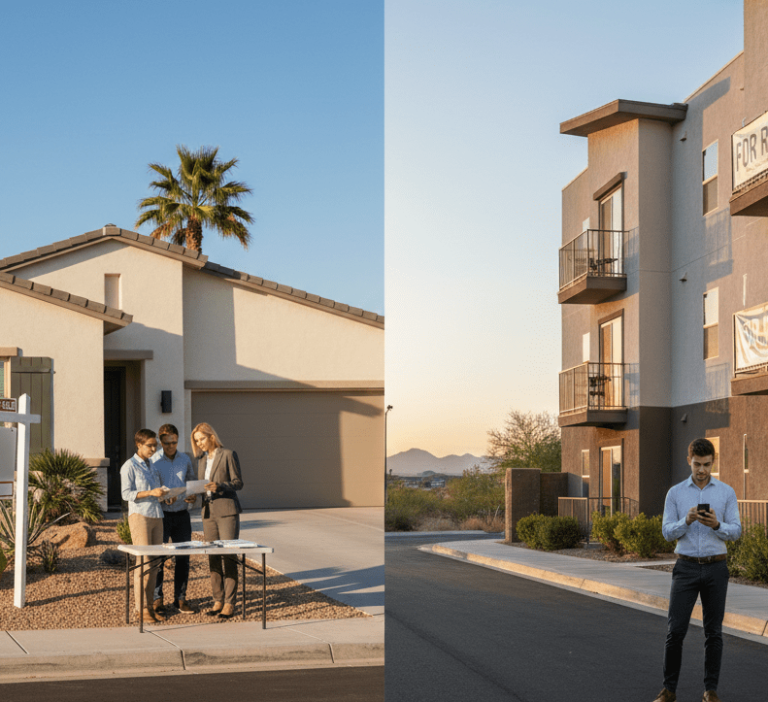
A house is a standalone residential property where the owner typically owns both the structure and the land. Houses offer maximum privacy, independence, and flexibility. An apartment, on the other hand, is a residential unit within a shared building or complex. While apartments may be owned outright, they often include shared ownership of common areas and are governed by homeowners associations (HOAs).
Understanding these differences is essential when evaluating house vs apartment pros and cons, as they impact everything from maintenance and cost to lifestyle and investment potential.
Cost Comparison: Initial and Long Term Expenses
Pros of Buying a House
- Higher appreciation potential over time
- No mandatory HOA fees in many cases
- Greater control over improvements that add value
Cons of Buying a House
- Higher purchase price
- Larger down payment requirements
- Increased property taxes and insurance costs
Pros of Buying an Apartment
- More affordable entry point
- Lower upfront purchase price
- Predictable monthly costs due to shared expenses
Cons of Buying an Apartment
- Monthly HOA or maintenance fees
- Special assessments for major repairs
- Limited ability to increase value through renovations
Buyers exploring both options can review available properties through the Buy section to compare pricing and long term value.
Maintenance and Upkeep Responsibilities
House Maintenance
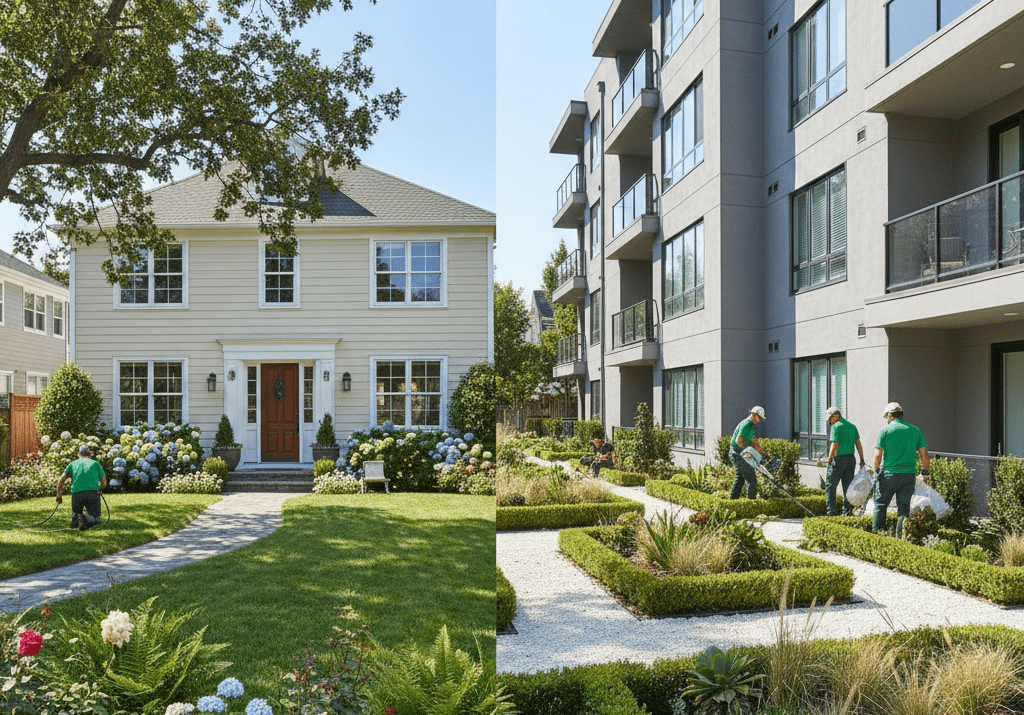
Homeowners are fully responsible for all maintenance, including roofing, plumbing, landscaping, and exterior repairs. While this allows full control, it also requires budget planning and time commitment.
Best for: Buyers who value independence and customization.
Apartment Maintenance
Apartments typically include maintenance services covered by HOA fees, such as exterior repairs, landscaping, parking areas, and common facilities.
Best for: Busy professionals, retirees, or those seeking low maintenance living.
Space, Privacy, and Living Comfort

Houses Offer:
- Larger living areas and storage
- Private outdoor space
- No shared walls with neighbors
- Freedom for future expansion
Apartments Offer:
- Efficient, compact layouts
- Easier cleaning and upkeep
- Shared amenities in many complexes
For buyers prioritizing privacy and space, houses are usually the better choice. Apartments suit those who value simplicity and efficiency.
Location and Lifestyle Factors

Apartments are often located in city centers or high demand areas near:
- Public transportation
- Employment hubs
- Dining and entertainment
- Healthcare and education facilities
Houses are more commonly found in suburban or residential neighborhoods, offering quieter surroundings and a family-friendly environment—though sometimes with longer commutes. When comparing house vs apartment pros and cons, your daily routine and lifestyle preferences should play a major role in deciding which option suits you best.
Investment Potential and Resale Value
Houses as Investment Properties
- Historically stronger appreciation
- Land ownership increases long term value
- High demand among families and long term buyers
Apartments as Investment Properties
- Lower initial investment
- Strong rental demand in urban areas
- HOA restrictions may limit rental flexibility
If you plan to Sell in the future, understanding market demand is crucial. Our team helps clients evaluate resale timing and profitability.
HOA Rules and Ownership Restrictions
Apartment ownership often comes with HOA rules covering:
- Property modifications
- Noise control
- Rental policies
- Parking and pets
Houses usually offer far fewer restrictions, allowing owners more control and freedom.
Security and Community Amenities
Apartment Advantages
- Gated access or security staff
- Surveillance systems
- Shared amenities like gyms, pools, and lounges
House Considerations
- Security depends on owner installed systems
- No shared amenities but more privacy
- Custom security upgrades possible
For buyers prioritizing convenience and built in security, apartments may be appealing.
Family, Flexibility, and Long Term Planning
Houses tend to be more suitable for families due to:
- Extra bedrooms and storage
- Outdoor play areas
- Long term stability
Apartments work well for singles, couples, or small households, especially those valuing mobility and urban living.
Environmental and Utility Considerations
- Apartments generally use less energy per unit
- Shared heating and cooling systems reduce costs
- Houses allow for solar panels and eco upgrades
Sustainability focused buyers should consider efficiency versus customization.
Who Should Choose a House?
A house may be right for you if you:
- Want privacy and outdoor space
- Plan to stay long term
- Enjoy renovations and personalization
- Are building long term equity
Who Should Choose an Apartment?
An apartment may suit you if you:
- Prefer low maintenance living
- Want a lower purchase price
- Live a city focused lifestyle
- Prioritize convenience and amenities
How Heritage Capital & Real Estate Can Help
At Heritage Capital & Real Estate, we believe real estate decisions should align with your long term goals not just current trends. Whether you’re planning to buy, preparing to sell, or want to learn more about us and how we serve our clients, our experienced team provides personalized guidance every step of the way.
We help you weigh the pros and cons based on your lifestyle, financial goals, and local market conditions.
FAQs: House vs Apartment Pros and Cons
1. Is a house better than an apartment for long term investment?
In most markets, houses appreciate more due to land ownership, but apartments can perform well in urban rental markets.
2. Are apartments cheaper than houses overall?
Apartments often have lower purchase prices, but HOA fees can add to long term costs.
3. Which is better for first time buyers?
Apartments are often ideal due to affordability and lower maintenance responsibilities.
4. Do houses cost more to maintain?
Yes, houses typically require higher maintenance budgets compared to apartments.
5. Which option is easier to sell?
Demand varies by location, but houses generally attract a broader buyer pool.