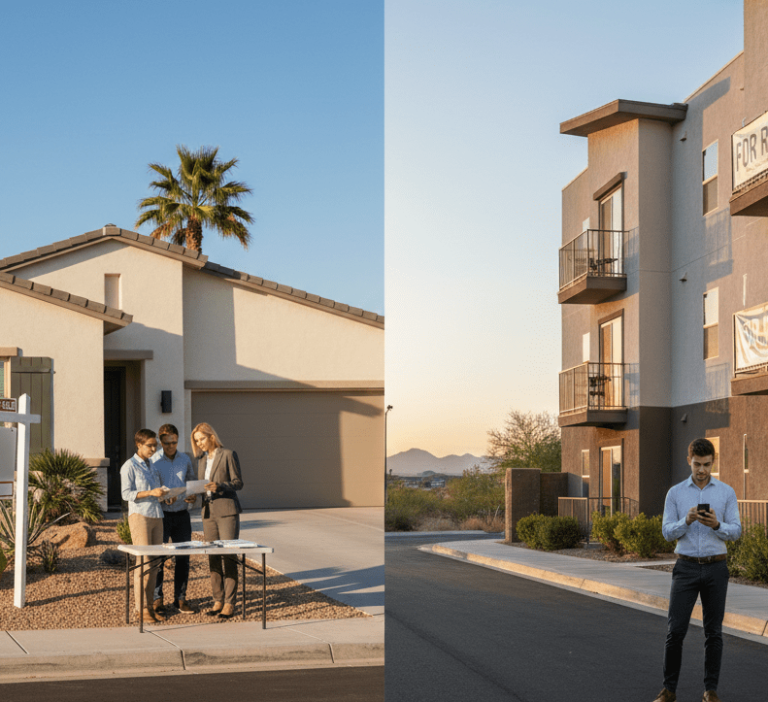
Phoenix has long been a destination for sunshine, strong job growth, and lifestyle-driven living. In recent years, the high-end housing market has evolved rapidly, drawing attention from affluent buyers, investors, and relocating professionals. Understanding Phoenix luxury real estate trends is essential for anyone looking to buy, sell, or invest in premium properties across the Valley.
Luxury real estate in Phoenix is no longer limited to a few gated communities. Demand has expanded across Scottsdale, Paradise Valley, Arcadia, and parts of downtown Phoenix. Buyers are more informed, selective, and focused on long-term value. At the same time, pricing, inventory, and buyer expectations continue to shift as economic conditions change.
This guide explores current pricing patterns, buyer demand, lifestyle influences, and what these changes mean for the future of Phoenix luxury homes.
The Current State of the Phoenix Luxury Market
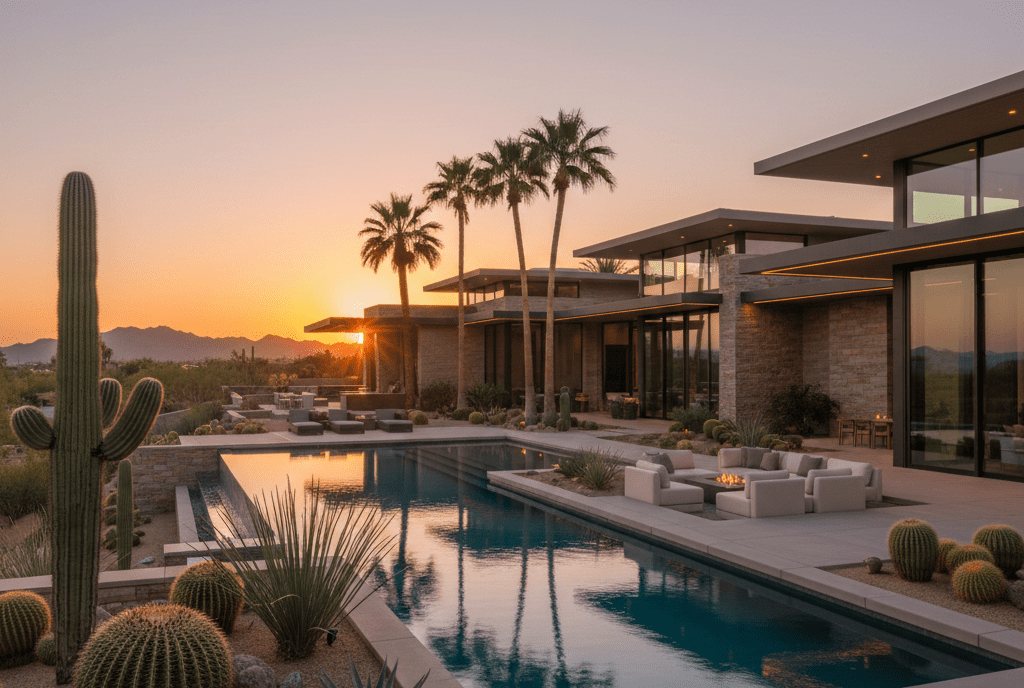
Luxury homes in Phoenix typically begin around the seven-figure range, though price thresholds vary by neighborhood. Over the past few years, the market has experienced strong appreciation, followed by a period of stabilization. While bidding wars have cooled slightly compared to peak years, Phoenix luxury real estate trends still show consistent demand for high-quality properties.
Buyers are no longer rushing into purchases without due diligence. Instead, they are taking a strategic approach, focusing on location, architectural quality, and long-term resale potential. This shift has created a healthier balance between buyers and sellers in the luxury segment.
Inventory levels have improved compared to previous years, but truly exceptional properties remain competitive. Homes with modern designs, smart technology, and outdoor living features continue to sell faster than dated luxury listings.
Price Trends and What They Reveal
Pricing in the Phoenix luxury market reflects both regional growth and national economic influences. While entry-level luxury homes have seen modest price adjustments, ultra-luxury properties remain resilient. High-net-worth buyers are less sensitive to interest rate fluctuations, which helps stabilize prices at the top end of the market.
Phoenix luxury real estate trends show that price per square foot varies significantly by area. Scottsdale and Paradise Valley command premium pricing due to established prestige, proximity to golf resorts, and high-end amenities. Emerging luxury pockets in Phoenix proper are attracting buyers seeking value without sacrificing lifestyle.
New construction continues to push price ceilings higher, particularly for custom homes with energy-efficient designs and high-end finishes. Buyers are willing to pay more for move-in-ready luxury that requires minimal upgrades.
Buyer Demand and Demographic Shifts
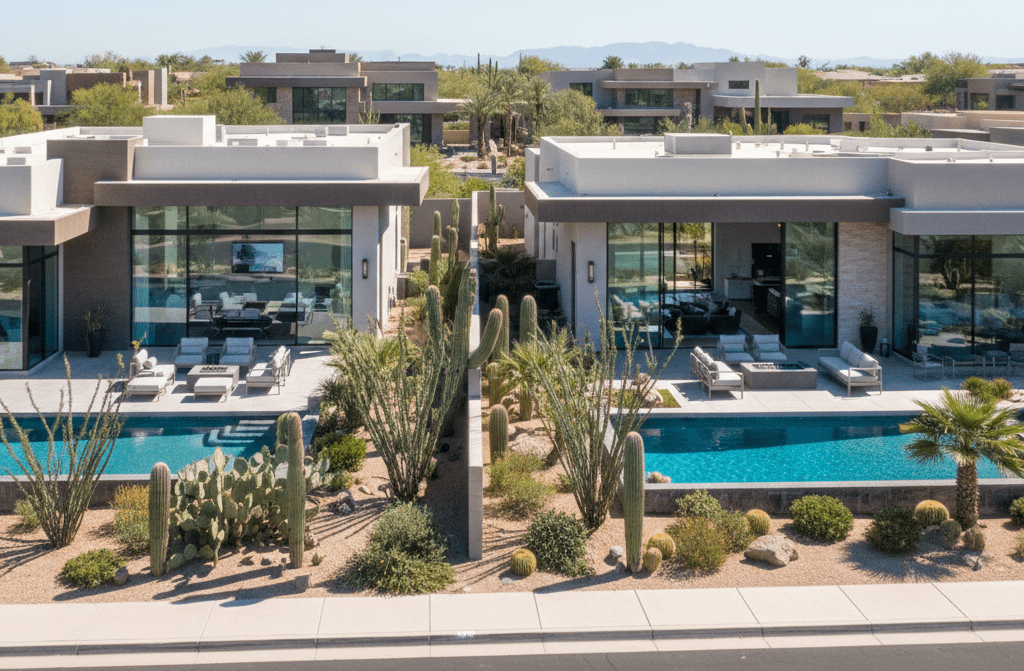
The luxury buyer profile in Phoenix has evolved. While retirees still play a role, an increasing number of buyers are younger professionals, tech executives, and entrepreneurs relocating from California, Washington, and the Northeast.
Many buyers are drawn to Arizona for tax advantages, business-friendly policies, and lower cost of living compared to coastal luxury markets. These factors heavily influence Phoenix luxury real estate trends and buyer expectations.
Remote work has also expanded buyer options. Luxury buyers are no longer tied to office locations, allowing them to prioritize space, privacy, and lifestyle amenities. As a result, properties with home offices, guest suites, and outdoor entertainment areas are in especially high demand.
Lifestyle Features Driving Luxury Purchases
Luxury in Phoenix is defined as much by lifestyle as by square footage. Buyers expect more than just premium finishes. Outdoor living spaces, resort-style pools, covered patios, and mountain views are often non-negotiable.
Energy efficiency has become a major selling point. Solar integration, smart home automation, and sustainable materials appeal to environmentally conscious buyers. These features also help reduce long-term ownership costs, which influences purchasing decisions.
Another key element shaping Phoenix luxury real estate trends is privacy. Gated communities, larger lot sizes, and custom-built homes appeal to buyers seeking exclusivity and security without sacrificing convenience.
Neighborhoods Leading the Luxury Market
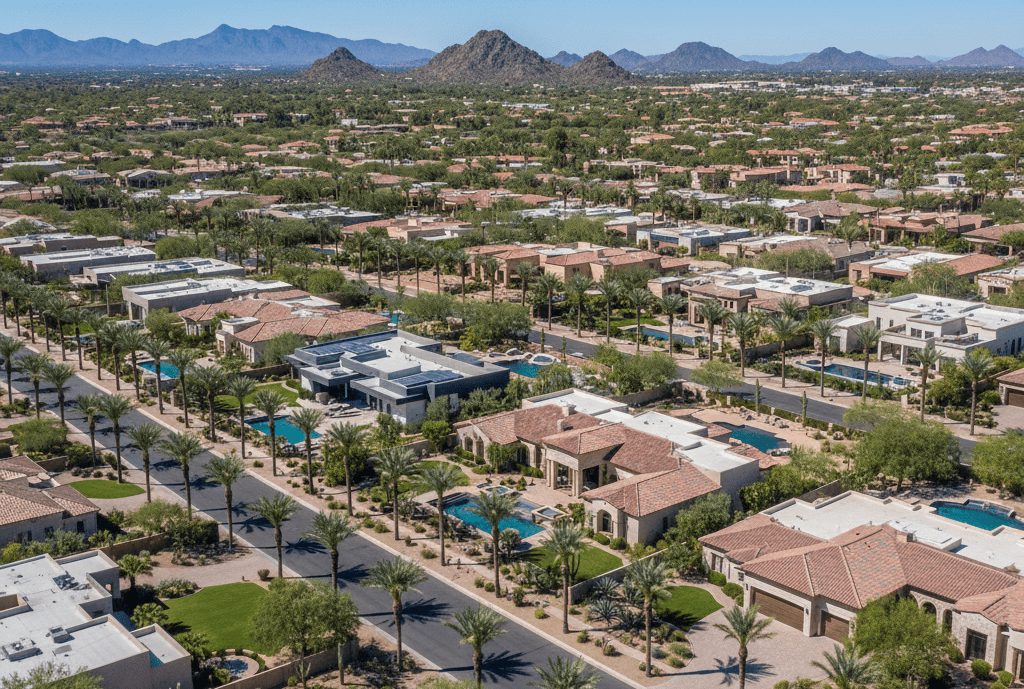
Scottsdale remains one of the most desirable luxury markets in Arizona. Its mix of golf communities, upscale shopping, and dining continues to attract affluent buyers. Paradise Valley holds its reputation for ultra-luxury estates with expansive lots and mountain views.
Arcadia has grown in popularity among buyers seeking a balance between luxury and central location. Its proximity to downtown Phoenix and Biltmore amenities makes it appealing to professionals and families alike.
For investors and buyers researching long-term opportunities, understanding neighborhood-specific dynamics is critical. Resources like the Phoenix real estate investment guide offer valuable insights into market performance and future growth potential.
The Role of Inventory and New Development
New development plays a major role in shaping Phoenix luxury real estate trends. Custom builders and boutique developers are responding to demand for modern architecture and flexible living spaces. However, limited land availability in prime areas keeps supply constrained.
According to City of Phoenix development and planning data, land availability and zoning regulations continue to influence luxury housing supply.
Luxury buyers often face a choice between purchasing a resale home in an established neighborhood or waiting for new construction. While new builds offer customization, resale properties may provide better locations and mature landscaping.
Low inventory of move-in-ready luxury homes continues to support pricing, particularly in high-demand neighborhoods. Sellers with well-maintained, updated properties are still in a strong position.
Buyer Behavior and Negotiation Trends
Luxury buyers in Phoenix are more analytical than ever. They expect transparency, detailed disclosures, and accurate pricing. Overpriced listings tend to sit longer, even in desirable areas.
Phoenix luxury real estate trends indicate that buyers are willing to negotiate, especially on homes that require updates or have been on the market for extended periods. Sellers who price realistically and prepare homes properly often achieve better outcomes.
Cash purchases remain common in the luxury segment, though financing is still widely used. Buyers are prioritizing flexibility, favorable terms, and inspections that protect long-term value.
Selling Luxury Homes in Today’s Market
For sellers, presentation and strategy matter more than ever. Professional photography, staging, and targeted marketing are essential in reaching qualified buyers. Luxury homes must stand out not only locally but also nationally.
Understanding buyer expectations is key to a successful sale. Homes that align with current Phoenix luxury real estate trends, such as modern layouts and lifestyle-focused amenities, tend to attract stronger interest.
Sellers considering timing and strategy can benefit from guidance on how to sell a house in Arizona, especially when navigating high-value transactions.
Investment Outlook for Phoenix Luxury Real Estate
Luxury real estate in Phoenix continues to attract investors looking for appreciation and rental income. High-end rental demand is growing, particularly for executive housing and seasonal rentals.
Investors are increasingly selective, focusing on properties with strong location fundamentals and long-term desirability. Phoenix luxury real estate trends suggest that well-located luxury homes remain a solid hedge against inflation.
Those exploring premium rental opportunities can gain deeper insights from resources like luxury homes in Scottsdale, which highlight market dynamics and investment potential.
How Economic Factors Influence the Luxury Segment
Interest rates, stock market performance, and national economic confidence all influence luxury buyer behavior. While higher rates impact affordability, luxury buyers often rely less on traditional financing.
Phoenix’s diversified economy helps cushion the luxury market from extreme volatility. Healthcare, technology, and real estate development continue to drive job growth and population inflows.
As a result, Phoenix luxury real estate trends remain more stable compared to markets heavily dependent on a single industry.
Future Outlook for Phoenix Luxury Real Estate
Looking ahead, the Phoenix luxury market is expected to maintain steady growth rather than rapid spikes. Buyers will continue prioritizing quality, location, and lifestyle over speculation.
Sustainability, smart home technology, and flexible living spaces will play an even larger role in shaping buyer preferences. Developers and sellers who adapt to these changes will remain competitive.
Phoenix luxury real estate trends point toward a mature market that rewards informed decision-making and long-term planning.
Frequently Asked Questions
Is the Phoenix luxury real estate market still growing?
Yes, the market continues to grow steadily, with demand supported by population growth, lifestyle appeal, and economic stability.
What price range defines luxury homes in Phoenix?
Luxury homes generally start around seven figures, though pricing varies by neighborhood and property features.
Are luxury buyers still moving to Phoenix from other states?
Yes, many buyers relocate from higher-cost states due to tax advantages and quality of life.
Do luxury homes sell faster than standard homes?
Well-priced and well-presented luxury homes can sell quickly, though buyers are more selective than in past years.
Is Phoenix a good place for luxury real estate investment?
Phoenix remains attractive for long-term investment, particularly in established luxury neighborhoods.
Conclusion
Phoenix continues to stand out as a premier destination for luxury living in the Southwest. From evolving buyer behavior to stable pricing and lifestyle-driven demand, Phoenix luxury real estate trends reflect a market built on long-term value rather than short-term hype.
Whether buying, selling, or investing, understanding these trends helps make smarter decisions and positions buyers and sellers for success in a competitive yet rewarding market.