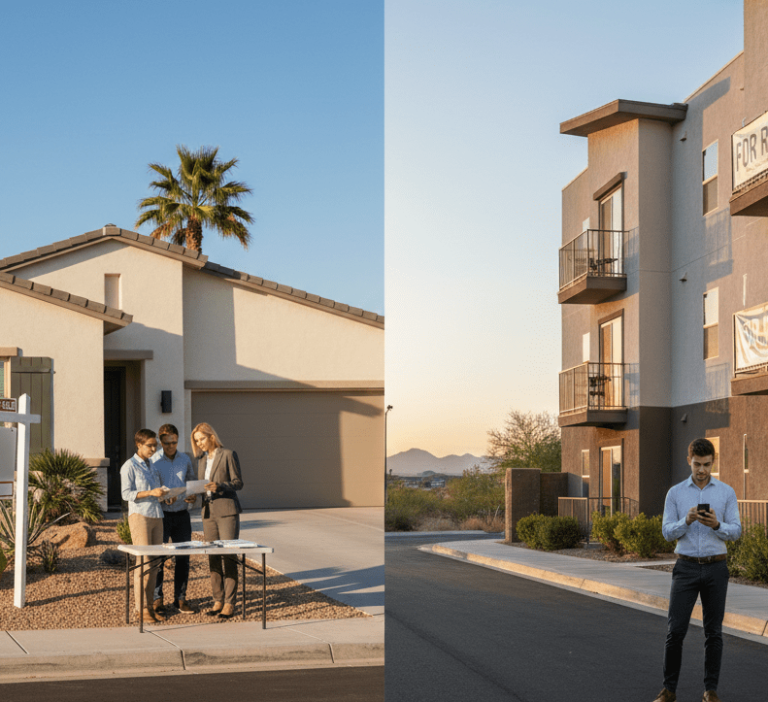
Arizona’s housing market continues to attract homeowners, investors, and retirees thanks to its warm climate, expanding metro areas, and diverse property options. While purchase prices and property taxes often dominate conversations, insurance is another major cost that should never be overlooked. Understanding Arizona home insurance costs can help buyers and homeowners plan their budgets more accurately and avoid surprises down the road.
Home insurance in Arizona is influenced by a mix of regional risks, construction styles, property values, and insurer pricing models. From desert heat and monsoon storms to wildfire exposure in certain regions, coverage needs vary widely across the state. Whether you are buying your first home, relocating, or managing rental properties, knowing how insurance rates are calculated puts you in a stronger financial position.
This guide breaks down average premiums, key cost drivers, regional differences, and practical ways to save while still protecting your investment.
Average Arizona Home Insurance Costs in 2025
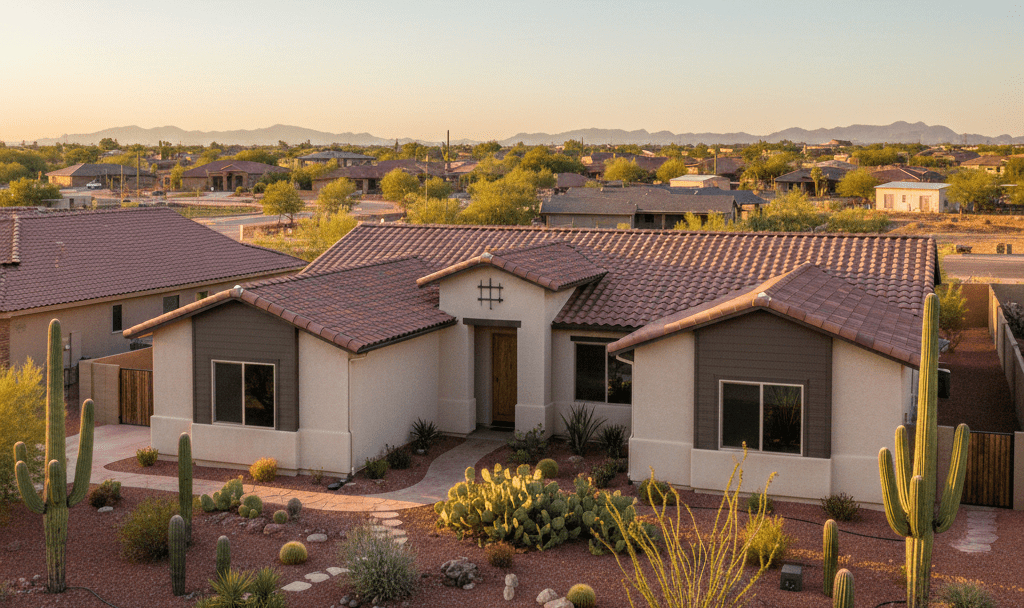
On average, homeowners across the state pay between $1,200 and $1,900 per year for standard coverage. However, Arizona home insurance costs can rise or fall significantly depending on location, property value, and risk profile.
Homes in metro areas like Phoenix, Scottsdale, and Tucson often carry higher premiums due to higher replacement costs and denser development. Rural areas may offer lower base rates but can see increases if wildfire or flood risk is present.
Arizona homeowners can also review official guidance from the Arizona Department of Insurance to better understand policy requirements, coverage options, and consumer rights. This resource helps residents compare insurers and stay informed about insurance regulations that directly impact Arizona home insurance costs.
Newer homes with modern materials typically qualify for better rates, while older properties may require higher premiums due to outdated electrical systems, roofing, or plumbing. Insurers focus heavily on replacement cost rather than market value, which means rising construction expenses directly affect premiums statewide.
Why Arizona Home Insurance Costs Vary So Much
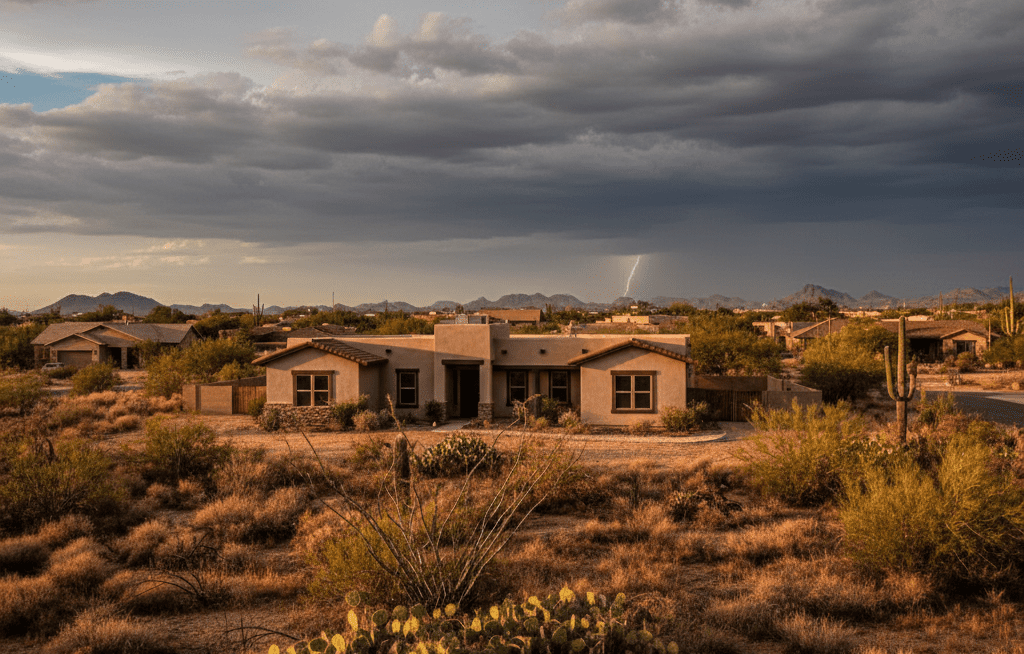
Arizona may be known for its dry climate, but insurance pricing is more complex than many assume. Several interconnected factors shape Arizona home insurance costs from one property to another.
Climate and Weather Exposure
Arizona experiences extreme heat, seasonal monsoons, flash flooding, and occasional hail storms. While hurricanes and tornadoes are rare, water damage from storms remains a significant concern. Insurers factor in regional weather patterns when calculating premiums, especially in areas prone to repeated claims.
In certain areas, standard policies may not cover flood-related damage, which can significantly affect Arizona home insurance costs. The FEMA flood insurance program provides homeowners with information on flood risk, coverage options, and whether additional protection may be required.
Wildfire Risk Zones
Northern Arizona and parts of the state near desert foothills face elevated wildfire risks. Homes located near brush or undeveloped land often pay higher Arizona home insurance costs due to the increased likelihood of fire damage and limited emergency access.
Home Construction and Materials
Stucco exteriors, tile roofs, and concrete foundations common in Arizona homes are generally favorable for insurers. These materials are more resistant to fire and weather damage, often resulting in lower premiums compared to wood-frame construction.
Property Value and Rebuild Costs
Rising labor and material prices have increased rebuilding costs statewide. Even if your home value remains stable, insurance premiums may rise due to higher replacement estimates. This is a major contributor to increasing Arizona home insurance costs in recent years.
Regional Insurance Cost Differences Across Arizona
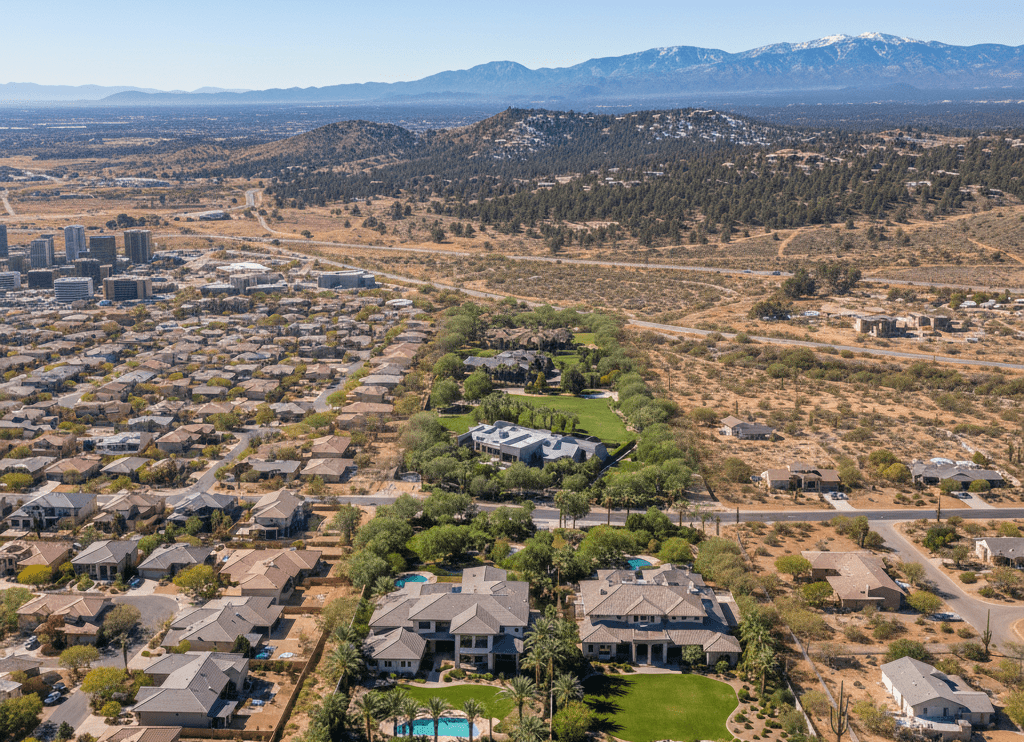
Insurance premiums can differ significantly depending on where you live within the state.
Phoenix Metro Area
Phoenix homeowners typically pay mid-range premiums. While wildfire risk is lower in the urban core, heat-related wear, roof damage, and higher rebuild costs impact pricing. Arizona home insurance costs in Phoenix reflect the balance between urban density and replacement value.
Scottsdale and Luxury Markets
Luxury homes often carry higher premiums due to custom construction, high-end finishes, and larger square footage. Coverage limits must be sufficient to rebuild at current market rates, which directly increases Arizona home insurance costs in upscale neighborhoods.
Tucson and Southern Arizona
Tucson generally offers more affordable premiums compared to Phoenix. However, older housing stock can offset savings if upgrades are needed to meet insurer requirements.
Northern Arizona
Homes in Prescott, Flagstaff, and surrounding areas may see higher premiums due to wildfire exposure and winter weather risks not present in southern regions.
How Insurance Affects Buying Decisions in Arizona
Insurance costs play a larger role in affordability than many buyers expect. Monthly premiums are often escrowed into mortgage payments, directly impacting cash flow.
For buyers exploring Arizona properties, understanding total ownership costs goes beyond the sale price. Insurance estimates should be reviewed early in the process, especially when comparing homes in different risk zones.
When Arizona home insurance costs are combined with mortgage payments and property taxes, it becomes essential to plan your purchase carefully. Buyers exploring opportunities across the state can benefit from expert guidance when they buy homes in Arizona, especially in markets where insurance premiums vary by neighborhood.
Those evaluating long-term investments often compare insurance expenses alongside taxes and maintenance. For example, buyers interested in rental or investment properties may benefit from reviewing insights on Arizona-focused investment opportunities, including off-market rental strategies and long-term risk planning.
Arizona Home Insurance Costs for Rental and Investment Properties
Rental homes typically carry higher premiums than owner-occupied residences. Landlord policies include liability protection and loss-of-rent coverage, both of which increase costs.
Arizona home insurance costs for rentals are also influenced by tenant occupancy, property management practices, and maintenance standards. Well-maintained properties with professional oversight tend to qualify for more favorable rates.
For investors, Arizona home insurance plays a major role in long-term profitability, particularly for rental properties. Those considering income-producing homes often review strategies for turnkey rental investments in Scottsdale, where insurance, maintenance, and management costs must align with rental returns.
Investors managing multiple properties often bundle policies or work with specialized insurers to reduce overall expenses.
How Home Features Impact Insurance Rates
Small details can make a meaningful difference in your premium.
- Roof age and material: Newer tile or metal roofs lower risk.
- Security systems: Alarm systems and smart monitoring reduce claims.
- Updated systems: Modern plumbing and electrical upgrades lower premiums.
- HOA coverage: Some associations cover exterior structures, reducing individual policy needs.
Buyers evaluating new construction may also find insurance savings due to modern building codes. Understanding total ownership expenses, including insurance, is especially important when reviewing new builds or recently renovated homes.
Comparing Arizona to Other States
When compared nationally, Arizona home insurance remains moderate. States with frequent hurricanes or severe winter storms often see much higher premiums. However, Arizona’s increasing population and construction costs have narrowed the gap.
Buyers relocating from states like Georgia often notice differences in coverage structures and deductibles.
Ways to Lower Arizona Home Insurance Costs
There are several proven strategies homeowners can use to reduce premiums without sacrificing coverage.
Shop and Compare Annually
Rates vary widely between insurers. Comparing quotes each year can uncover significant savings, especially if your home has been upgraded or risk conditions have changed.
Increase Deductibles Strategically
Raising your deductible can lower premiums, but only if you maintain sufficient emergency savings.
Bundle Policies
Combining home and auto insurance often results in discounts of 10 to 25 percent.
Maintain and Upgrade Your Home
Roof replacements, impact-resistant materials, and updated systems can directly reduce Arizona home insurance over time.
Insurance Considerations When Selling a Home
Sellers should maintain coverage until closing, even if the property is vacant. Lapses can create legal and financial exposure.
Understanding how insurance impacts buyer confidence is also important. Homes with a history of claims or high premiums may face longer selling timelines.
Rising Arizona home insurance costs can also influence buyer decisions during a sale. Homeowners preparing to list may want to understand how insurance, repairs, and disclosures affect pricing and timelines when planning to sell a house in Arizona.
The Future of Arizona Home Insurance
Insurance costs across Arizona are expected to continue rising gradually due to inflation, population growth, and construction expenses. However, statewide increases are likely to remain more stable than in high-risk coastal regions.
Homeowners who proactively manage risk, maintain their properties, and review coverage regularly will be best positioned to control long-term expenses.
FAQs
How much is the average home insurance premium in Arizona?
Most homeowners pay between $1,200 and $1,900 annually, depending on location and property features.
Does Arizona require homeowners insurance?
Insurance is not legally required, but mortgage lenders mandate coverage.
Are flood and wildfire insurance included?
Flood insurance is separate, and wildfire coverage may increase premiums in high-risk areas.
Do HOAs reduce insurance costs?
In some cases, yes. HOA policies may cover exterior structures, lowering individual policy needs.
Can home improvements lower insurance premiums?
Yes. Roof upgrades, security systems, and modern utilities often reduce risk and cost.
Conclusion
Arizona home insurance costs are shaped by climate risks, construction standards, location, and replacement values. While premiums have risen in recent years, homeowners still have many opportunities to manage expenses through smart planning, property maintenance, and informed buying decisions.
Whether you are purchasing your first home, investing in rentals, or preparing to sell, understanding insurance costs is essential for protecting your investment and maintaining long-term affordability. By comparing options, reducing risk factors, and staying informed, Arizona homeowners can secure reliable coverage without overpaying.