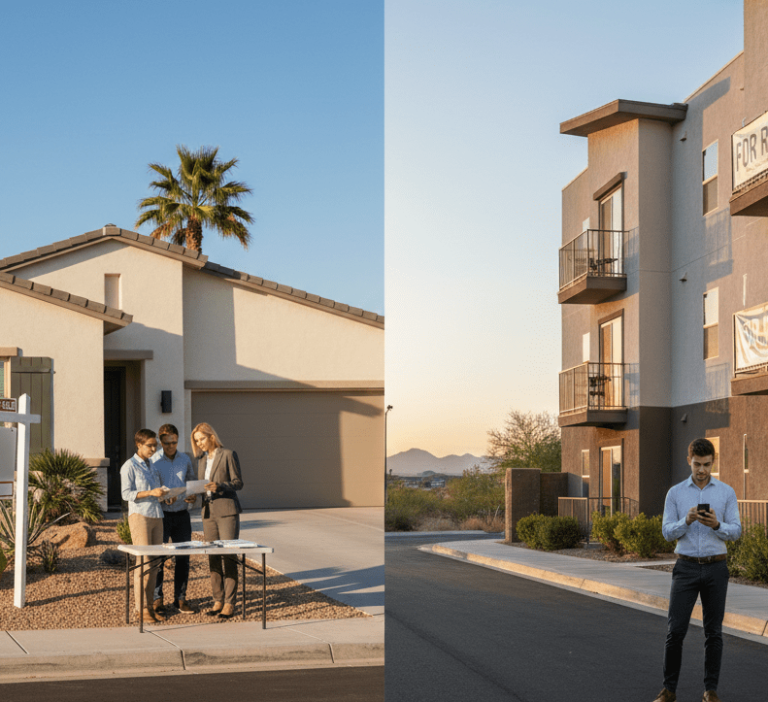
Arizona attracts new homeowners every year with its sunshine, desert views, and relatively affordable real estate compared to coastal states. Many buyers move here expecting year round warmth and low maintenance living. What often comes as a surprise is how deeply the environment shapes daily home ownership. The Arizona climate impact on homes is something many first time buyers underestimate until they experience it firsthand.
From intense summer heat to monsoon storms and desert soil conditions, Arizona presents challenges that can affect home structure, utility costs, and long term maintenance. Understanding these climate related factors before buying helps homeowners make smarter decisions, avoid costly repairs, and protect property value over time.
This guide breaks down what new Arizona homeowners are most surprised by when it comes to climate, construction, and upkeep. Whether you are relocating from a cooler state or buying your first home in the desert, knowing how the Arizona climate impact on homes works will help you feel prepared rather than overwhelmed.
Extreme Heat and How It Affects Homes
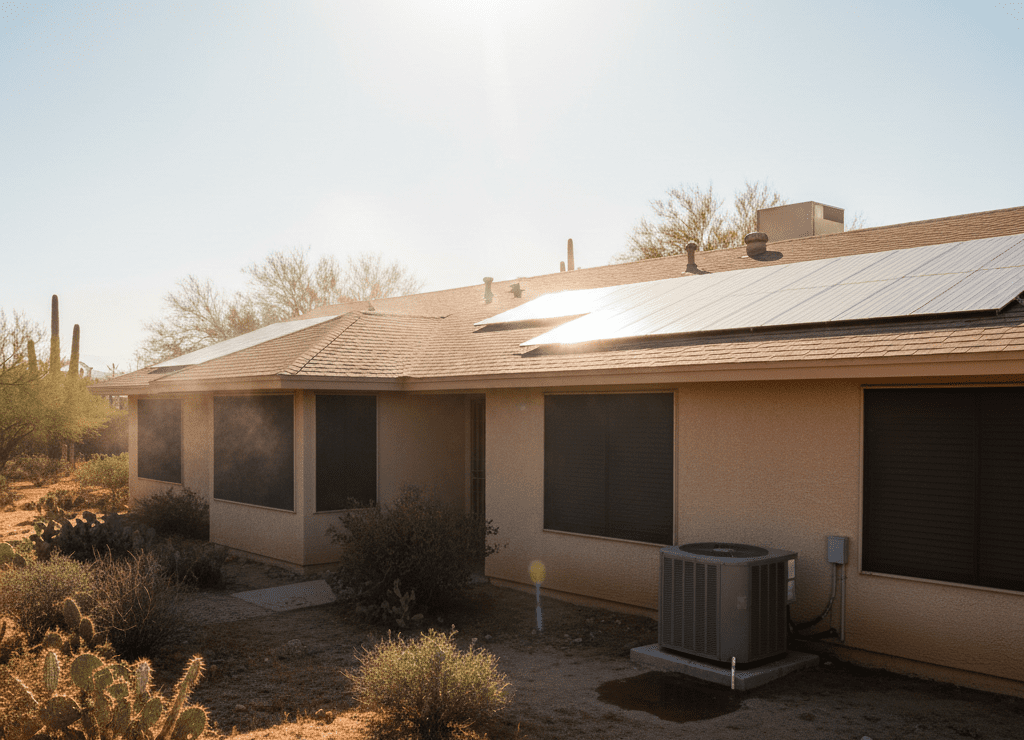
Arizona summers are not just hot. They are persistently intense, with many regions seeing temperatures above 110 degrees for weeks at a time. One of the biggest Arizona climate impacts on homes is how heat affects materials, energy systems, and comfort.
Roofing materials take the biggest hit. Asphalt shingles can age faster in extreme heat, while flat roofs common in Arizona require regular inspection to prevent cracking. Homes built with proper heat resistant materials and reflective roofing perform better over time.
Arizona regularly experiences prolonged heat waves and seasonal monsoon storms, as outlined by National Weather Service data for Arizona, which explains why homes here require different construction and maintenance approaches.
Inside the home, air conditioning systems work harder and longer. Older units often struggle to keep up, leading to higher energy bills and increased wear. New homeowners are often surprised by how important insulation quality and window placement become in this climate.
Heat also impacts plumbing. Pipes exposed to prolonged high temperatures may degrade faster, especially in older homes. This is another example of how the Arizona climate impact on homes extends beyond surface level concerns.
Desert Soil and Foundation Challenges
Arizona soil is unlike what many buyers are used to. In many areas, the ground contains clay that expands when wet and contracts when dry. This constant movement can affect foundations over time.
Small foundation cracks, uneven flooring, or sticking doors can sometimes be traced back to soil conditions. The Arizona climate impact on homes includes this cycle of dryness followed by monsoon moisture, which puts pressure on structural components.
Proper grading, drainage systems, and foundation design help reduce risk. Homes built or updated with these factors in mind tend to age better. Buyers who understand local soil behavior can spot red flags during inspections and ask the right questions before closing.
Monsoon Season and Water Management
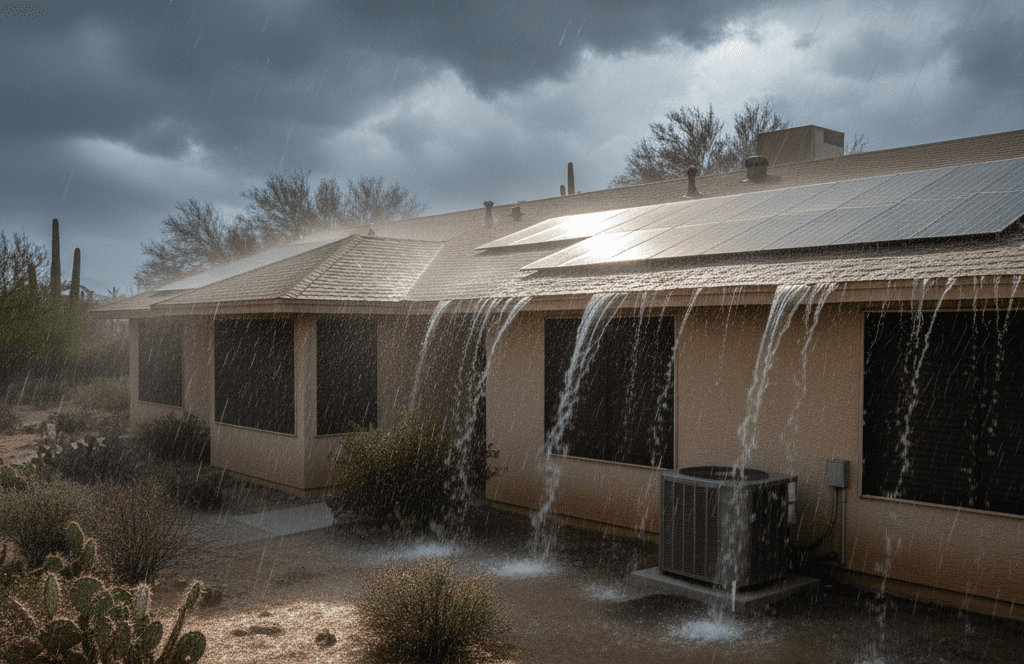
Many newcomers assume Arizona is always dry. The summer monsoon season often changes that perception quickly. Heavy rain, strong winds, and sudden storms can test a home’s drainage and exterior design.
One overlooked Arizona climate impact on homes is water intrusion. Poorly maintained roofs, outdated flashing, or improper landscaping can lead to leaks or pooling water near the foundation.
Gutters and downspouts are essential, even in the desert. Homes without proper runoff systems may experience erosion or foundation stress during repeated storms. Checking roof condition and exterior sealing becomes especially important for buyers entering the Arizona market.
For those exploring purchasing options, understanding climate related construction features is part of making a smart investment. Resources like this step by step guide to closing on a home in Arizona help buyers prepare for these regional considerations without surprises later on.
Sun Exposure and Exterior Wear
Arizona sunlight is powerful. Over time, it fades paint, cracks wood, and degrades exterior finishes faster than in milder climates. One consistent Arizona climate impact on homes is accelerated exterior wear.
Stucco, a popular exterior finish in Arizona, holds up well when maintained properly. However, hairline cracks can develop and must be sealed quickly to prevent moisture damage during storms.
Outdoor features like decks, pergolas, and fences also require materials suited for intense UV exposure. Many homeowners learn the hard way that untreated wood or low quality finishes do not last long under constant sun.
Window tinting, UV resistant paint, and shaded landscaping are simple upgrades that reduce sun damage and improve energy efficiency at the same time.
Energy Efficiency Becomes a Priority
In Arizona, energy efficiency is not just a bonus. It is a necessity. One of the most noticeable Arizona climate impacts on homes is higher cooling costs during peak summer months.
Homes with poor insulation, outdated windows, or inefficient HVAC systems quickly become expensive to maintain. Many buyers underestimate how much energy efficiency affects long term affordability.
Modern Arizona homes often include features like dual pane windows, radiant barriers, and smart thermostats. These upgrades help regulate indoor temperatures and reduce strain on cooling systems.
Understanding how energy efficiency ties into climate helps homeowners prioritize upgrades that offer both comfort and cost savings. It also plays a role in resale value as more buyers look for homes built to handle Arizona heat.
Landscaping in a Desert Environment
New homeowners are often surprised by how different landscaping works in Arizona. Grass lawns are possible but require more water and maintenance. Desert friendly landscaping, also known as xeriscaping, is common for a reason.
The Arizona climate impact on homes includes outdoor water usage, which directly affects utility bills. Plants suited for desert conditions thrive with less water and maintenance, making them a smarter choice long term.
Improper landscaping can also affect foundations. Overwatering near the home may contribute to soil expansion and structural issues. Strategic plant placement and drip irrigation systems help protect both the yard and the house.
Many Arizona communities encourage or require water efficient landscaping, especially in HOA governed neighborhoods.
Climate Influence on Home Value and Resale
Climate does not just affect daily living. It influences property value and buyer demand. Homes designed to handle Arizona conditions tend to sell faster and retain value better.
The Arizona climate impact on homes is reflected in buyer expectations. Features like newer roofs, upgraded HVAC systems, and energy efficient windows often command higher prices.
Location also matters. Certain areas experience stronger heat, wind, or storm exposure. Buyers who understand these microclimates make better long term investments.
For those considering investment opportunities, exploring topics like Phoenix real estate investment provides insight into how climate and market trends intersect in Arizona’s most active regions.
Maintenance Expectations for Arizona Homes
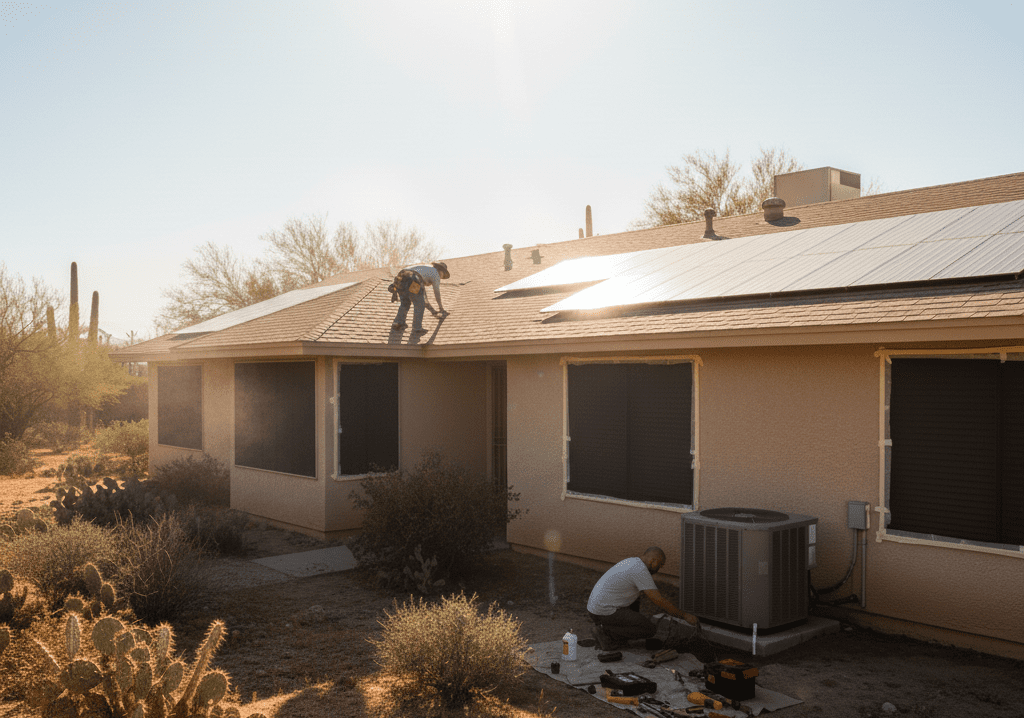
Maintenance in Arizona is consistent rather than seasonal. While there is less concern about snow or freezing temperatures, heat related wear requires regular attention.
Roof inspections, HVAC servicing, and exterior sealing should be done annually. One common Arizona climate impact on homes is deferred maintenance catching up quickly when extreme heat exposes weak points.
Homeowners who stay proactive avoid larger repair bills and extend the lifespan of major systems. This approach also improves resale potential when it comes time to sell.
Understanding maintenance expectations upfront helps new homeowners budget realistically and avoid surprises during their first few summers.
Insurance Considerations in a Desert Climate
Climate also affects insurance policies. While Arizona does not face hurricanes or blizzards, extreme heat and storms still influence coverage needs.
Some policies account for roof age and material due to sun exposure. Others factor in flood risks related to monsoon runoff. The Arizona climate impact on homes plays a role in both premiums and coverage terms.
Buyers should review insurance options carefully and understand what climate related risks are covered. Asking about roof lifespan, water damage protection, and HVAC coverage is especially important in this region.
How Climate Shapes Home Buying Decisions
Understanding climate impacts helps buyers choose the right home rather than just the right price. Floor plans, orientation, materials, and lot placement all matter more in Arizona.
South facing homes may receive more direct sunlight, affecting cooling costs. Homes with shaded patios or covered parking offer added comfort in summer months.
Buyers who work with professionals familiar with Arizona conditions often make better decisions. Learning about climate specific challenges early prevents regret later.
For those evaluating whether Arizona fits their lifestyle, reading about the pros and cons of living in Arizona offers a balanced look at what daily life really feels like in this environment.
Preparing for Long Term Ownership in Arizona
The Arizona climate impact on homes is not something to fear. It is something to understand. Homes built and maintained with climate in mind perform well, remain comfortable, and hold value over time.
Preparation starts before purchase and continues through regular maintenance and smart upgrades. New homeowners who adapt quickly enjoy the benefits of desert living without unnecessary stress.
Arizona rewards those who respect its environment. When homeowners align expectations with reality, the experience becomes far more enjoyable and financially stable.
FAQs
How does Arizona heat affect home longevity?
Extreme heat can shorten the lifespan of roofs, HVAC systems, and exterior finishes if not properly maintained.
Is the Arizona climate harder on homes than other states?
It is different rather than harder. Arizona climate impact on homes is mainly related to heat, sun exposure, and soil conditions rather than cold or moisture.
Do Arizona homes require special construction materials?
Many homes use heat resistant roofing, stucco exteriors, and energy efficient windows to handle climate demands.
Are energy bills higher in Arizona?
Cooling costs can be higher in summer, but efficient homes with modern systems often balance expenses well.
What maintenance is most important for Arizona homes?
Roof inspections, HVAC servicing, and exterior sealing are essential to protect against heat and monsoon weather.
Conclusion
The Arizona climate impact on homes surprises many new homeowners, but it does not have to be overwhelming. Heat, sun exposure, soil movement, and seasonal storms all influence how homes age and perform. The key is understanding these factors early and choosing a home designed to handle them.
With proper preparation, regular maintenance, and smart upgrades, Arizona homes can be comfortable, durable, and valuable long term investments. Buyers who respect the desert environment and plan accordingly often find that living in Arizona offers far more rewards than challenges.