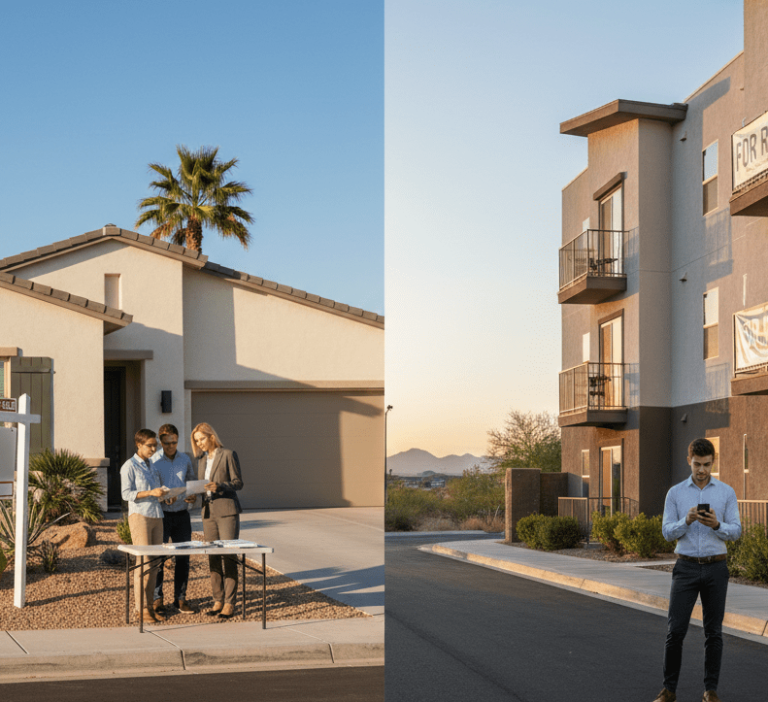
Buying land in Arizona offers a unique opportunity for homeowners, investors, and developers looking to build long term value. With its diverse landscapes, growing population, and expanding infrastructure, Arizona continues to attract buyers interested in vacant land, residential lots, and acreage for future development. This Arizona land for sale guide is designed to help buyers understand the market, evaluate opportunities, and avoid common mistakes.
Land purchases are very different from buying an existing home. Factors such as zoning, utilities, access, and future development plans can significantly impact land value. Whether you are planning to build a custom home, hold land as an investment, or develop rental properties, understanding the Arizona land market is essential before moving forward.
This Arizona land for sale guide shares local insight, practical advice, and expert strategies to help you make informed decisions and protect your investment.
Why Arizona Is a Strong Market for Land Buyers
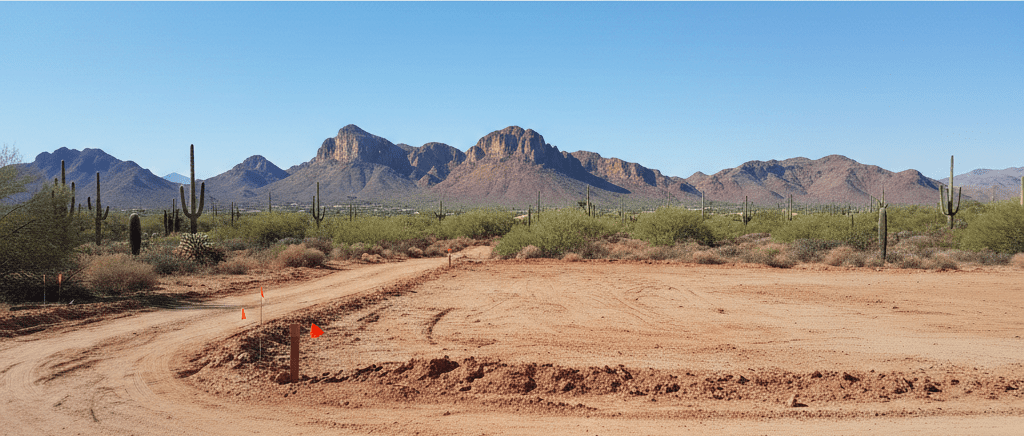
Arizona continues to experience steady population growth driven by job opportunities, climate, and affordability compared to coastal states. As cities expand outward, demand for buildable land increases, especially near metro areas like Phoenix, Scottsdale, Tucson, and surrounding suburbs.
Land buyers are drawn to Arizona for several reasons. Property taxes remain relatively manageable, zoning options are flexible in many counties, and long term appreciation potential remains strong. This Arizona land for sale guide highlights why land continues to be a smart option for buyers seeking flexibility and future value.
Population Growth and Development Expansion
Arizona’s population growth has fueled new residential communities, infrastructure projects, and commercial developments. Areas once considered remote are now becoming desirable due to highway expansions and employment growth.
As development continues, land near future growth corridors often appreciates faster than land in stagnant regions. Understanding these trends is a key part of using an Arizona land for sale guide effectively.
Investment Appeal Compared to Other States
Compared to markets like California, Arizona offers lower entry costs for land buyers. Investors often see Arizona land as a way to diversify portfolios, hedge against inflation, and position themselves ahead of future development cycles.
Types of Land for Sale in Arizona
Not all land is created equal. Buyers must understand the different land types available and how each fits their goals. This Arizona land for sale guide breaks down the most common options.
Residential Lots
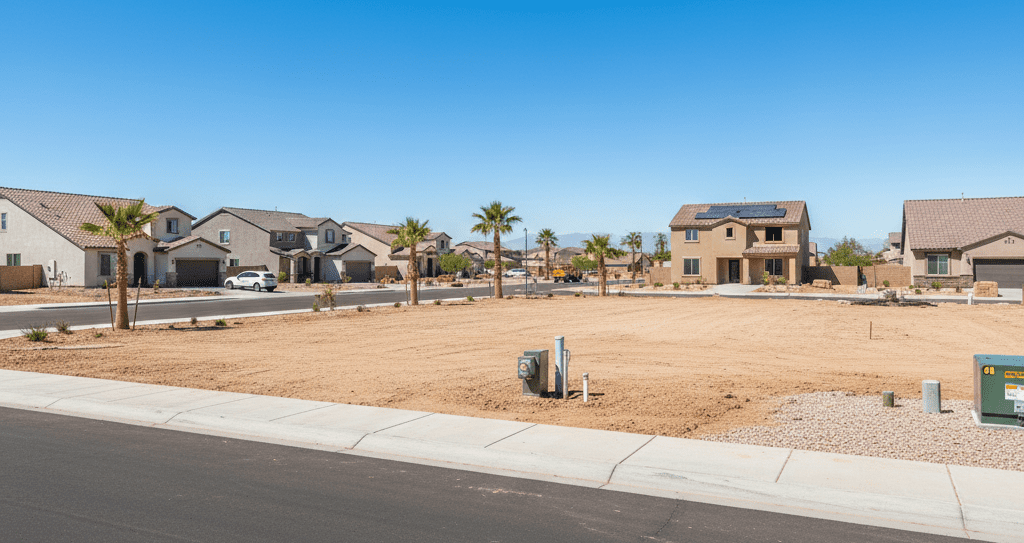
Residential lots are typically located within established communities or subdivisions. These lots usually have access to utilities, paved roads, and zoning approvals that make building easier.
Buyers planning to build a primary residence or spec home often prefer residential lots due to fewer unknowns and smoother permitting.
Acreage and Rural Land
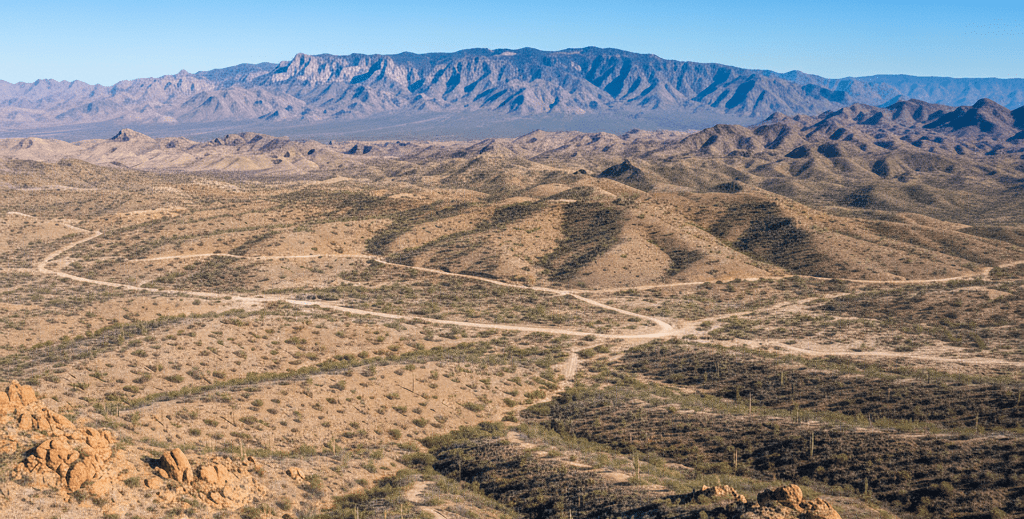
Rural land and acreage offer privacy, flexibility, and lower purchase prices. These properties may require additional due diligence related to water access, septic systems, and road easements.
This Arizona land for sale guide recommends rural land buyers work closely with local experts to confirm feasibility before closing.
Agricultural and Investment Land
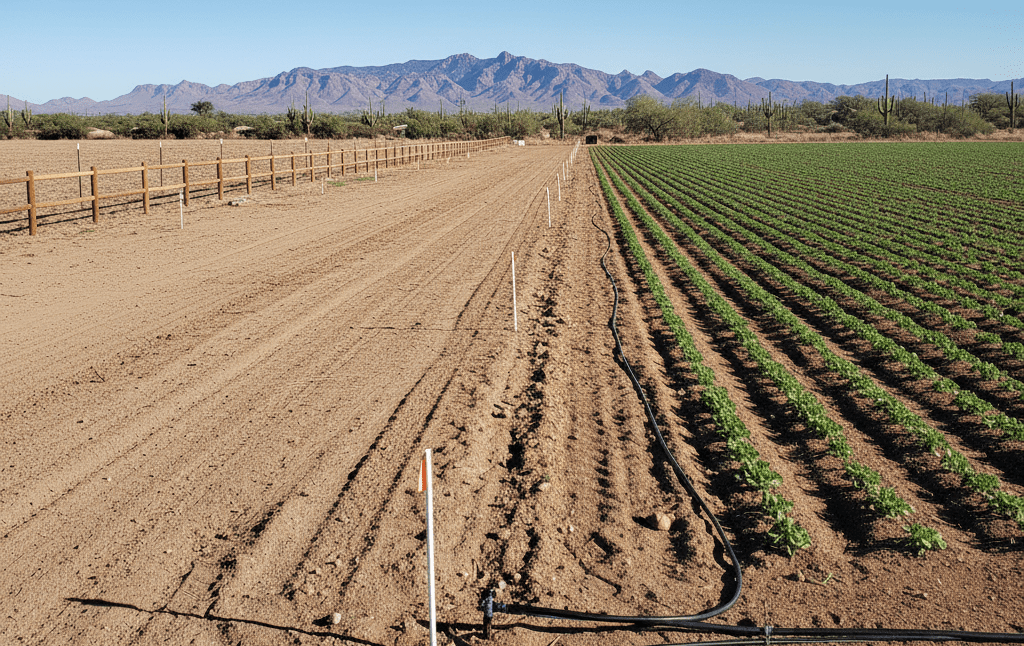
Agricultural land may offer tax advantages or long term appreciation, especially in areas near expanding cities. Some investors purchase agricultural land with the intention of rezoning or holding until demand increases.
Zoning, Permits, and Legal Considerations
Zoning regulations can significantly impact how land can be used. Every Arizona land for sale guide should emphasize the importance of zoning research before purchasing.
Buyers unfamiliar with the process often benefit from reviewing a step by step guide to closing on a home in Arizona, which explains how approvals and timelines affect transactions.
Understanding Local Zoning Rules
Zoning determines whether land can be used for residential, commercial, agricultural, or mixed purposes. Restrictions may also affect building height, density, and setbacks.
Buyers should confirm zoning directly with the county or city rather than relying solely on listings.
Permits and Approval Timelines
Permitting timelines vary by location and project scope. Some rural counties have faster approval processes, while urban areas may require multiple reviews.
Buyers unfamiliar with the process often benefit from reviewing a step by step guide to closing on a home in Arizona, which explains how approvals and timelines affect transactions.
Utilities, Access, and Infrastructure
Infrastructure is one of the most overlooked aspects of land purchases. This Arizona land for sale guide highlights why access and utilities matter.
Water Availability
Arizona’s water regulations are strict in some regions. Buyers must confirm whether water is available through city connections, shared wells, or private wells.
Land without verified water access can be difficult to develop and resell.
Power, Sewer, and Road Access
Some parcels require extending power lines or installing septic systems. Road access should also be confirmed, especially for rural properties where easements may be required.
These costs can significantly impact your overall budget and should be factored into any Arizona land for sale guide strategy.
Market Trends Affecting Arizona Land Values
Land values in Arizona are influenced by economic conditions, population trends, and development activity. Staying informed helps buyers identify strong opportunities.
Metro Area Expansion
Phoenix and surrounding cities continue to expand outward. Investors often target land just outside current development zones to capture appreciation as growth spreads.
Many buyers researching Arizona land opportunities also review insights from an investors guide to off market rental properties in Phoenix to understand broader market movement.
Supply and Demand Dynamics
As more buyers enter the market, buildable land near employment centers becomes more competitive. Scarcity can drive prices higher, especially in high demand school districts and suburbs.
Many buyers researching Arizona land opportunities also review insights from an investors guide to off market rental properties in Phoenix to better understand long-term development patterns.
Financing Options for Land Purchases
Land financing differs from traditional home loans. This Arizona land for sale guide explains what buyers should expect.
Cash Purchases
Cash purchases are common for land and often provide negotiation leverage. Sellers may prioritize cash buyers due to faster closings and fewer contingencies.
Land Loans
Land loans typically require higher down payments and shorter terms. Interest rates may be higher than residential mortgages, especially for raw land.
Working with experienced professionals helps buyers navigate financing options effectively.
Common Mistakes Land Buyers Should Avoid
Even experienced buyers can make costly mistakes when purchasing land. This Arizona land for sale guide highlights the most common pitfalls.
Skipping Due Diligence
Failing to verify zoning, utilities, and access can result in unusable land. Buyers should never assume land is buildable without confirmation.
Underestimating Development Costs
Site preparation, permits, and utility connections often cost more than expected. Accurate budgeting protects buyers from financial strain.
Ignoring Exit Strategy
Whether planning to build, sell, or hold, buyers should define an exit strategy before purchasing. Market conditions can change, and flexibility matters.
How Local Experts Add Value to Land Transactions
Local expertise plays a critical role in successful land purchases. This Arizona land for sale guide emphasizes why working with professionals matters.
Market Knowledge
Local agents understand zoning nuances, development plans, and neighborhood trends that may not be obvious to out of state buyers.
Negotiation Support
Experienced professionals help buyers identify fair pricing, negotiate terms, and avoid unfavorable contract clauses.
Buyers considering future resale or development often benefit from understanding how to sell a house in Arizona and how land purchases align with broader market strategies.
Long Term Value of Land Ownership in Arizona
Land ownership offers flexibility and long term potential. As Arizona continues to grow, well located land often appreciates steadily.
Buyers who approach purchases with patience, research, and expert guidance position themselves for success. This Arizona land for sale guide encourages buyers to think beyond short term gains and focus on sustainable value.
FAQs
Is buying land in Arizona a good investment?
Yes, especially in areas experiencing population growth and development expansion.
Can I build immediately after buying land?
It depends on zoning, permits, and utility access. Due diligence is essential.
Are property taxes high on land in Arizona?
Property taxes vary by county and land use but are generally manageable.
Do I need a real estate agent to buy land?
While not required, working with a local expert reduces risk and improves outcomes.
What is the biggest risk when buying land?
Skipping research on zoning, water, and access is the most common and costly mistake.
Conclusion
Buying land requires careful planning, local insight, and a clear understanding of long term goals. Arizona continues to offer strong opportunities for buyers seeking flexibility, appreciation, and future development potential. By using this Arizona land for sale guide, buyers can navigate the market with confidence and avoid costly missteps.
From zoning and infrastructure to financing and market trends, informed decisions make all the difference. With the right strategy and expert support, land ownership in Arizona can become a valuable and rewarding investment for years to come.