Owning rental properties can be a rewarding investment, but it also comes with responsibilities. One of the most critical aspects of successful property management is rental property maintenance. Proper upkeep not only protects your investment but also ensures tenant satisfaction and long-term profitability.
This guide provides investors with actionable strategies for managing, maintaining, and improving rental properties efficiently. From routine inspections to emergency repairs, understanding how to implement a proactive maintenance plan is essential for maximizing returns and minimizing stress.
Why Rental Property Maintenance Matters
Protecting Your Investment
Proper rental property maintenance preserves the value of your asset. Regular upkeep prevents wear and tear from causing structural damage, plumbing issues, or electrical hazards. Well-maintained properties tend to appreciate faster and remain competitive in the rental market.
Tenant Satisfaction and Retention
Tenants are more likely to stay in a property that is clean, safe, and functional. Prompt maintenance and repairs enhance the tenant experience, reducing turnover and vacancy rates. Happy tenants are more likely to recommend your property to others, creating a positive reputation for your rental business.
Legal and Safety Compliance
Landlords are legally obligated to provide safe and habitable housing. Neglecting rental property maintenance can result in code violations, fines, or lawsuits. Ensuring that electrical systems, plumbing, heating, and smoke detectors meet standards protects both tenants and investors.
Types of Rental Property Maintenance
Preventive Maintenance
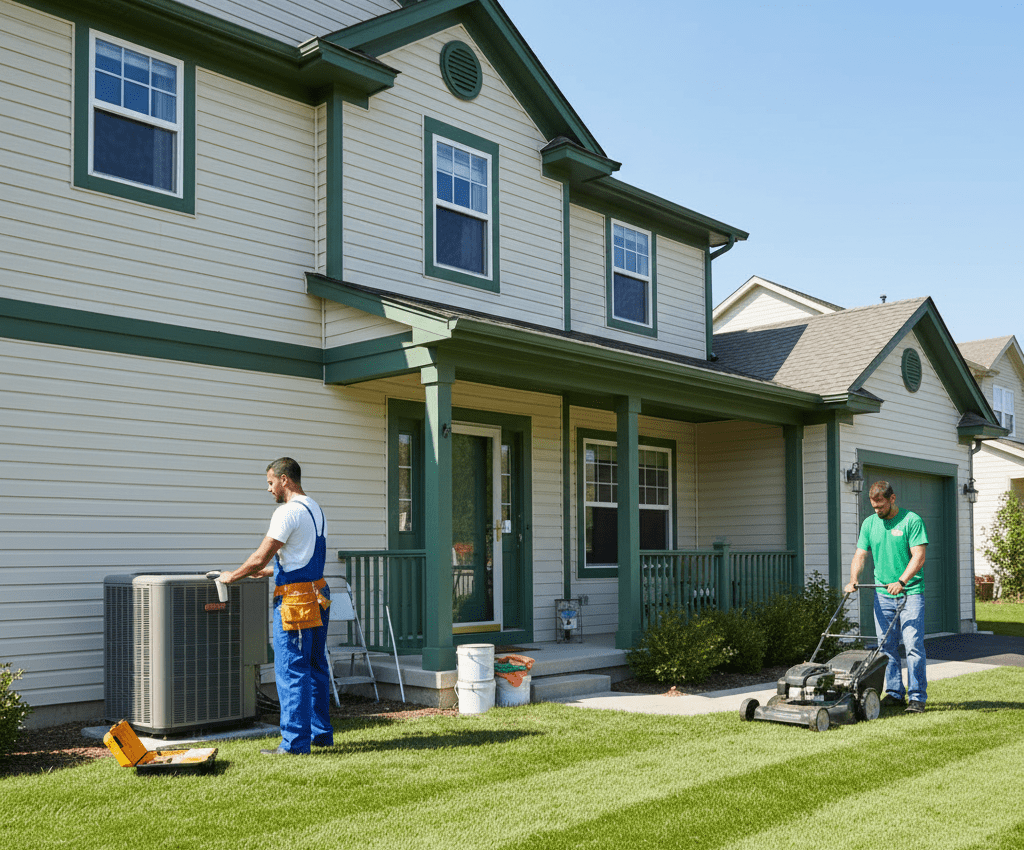
Preventive maintenance includes scheduled tasks designed to prevent issues before they occur. Examples include:
- Inspecting HVAC systems twice a year
- Cleaning gutters and drains
- Checking smoke detectors and carbon monoxide alarms
- Servicing appliances
Implementing preventive maintenance reduces emergency repair costs and prolongs the life of property components.
Corrective Maintenance
Corrective maintenance addresses problems as they arise. This includes:
- Fixing leaking faucets or pipes
- Repairing broken appliances
- Replacing damaged flooring or walls
While corrective maintenance is reactive, handling issues promptly avoids escalating damage or tenant complaints.
Routine Maintenance
Routine maintenance covers tasks that ensure daily functionality and aesthetics, such as:
- Lawn care and landscaping
- Trash removal and pest control
- Painting and cleaning common areas
Routine maintenance keeps the property appealing to current and prospective tenants and supports long-term property value.
How to Develop a Rental Property Maintenance Plan
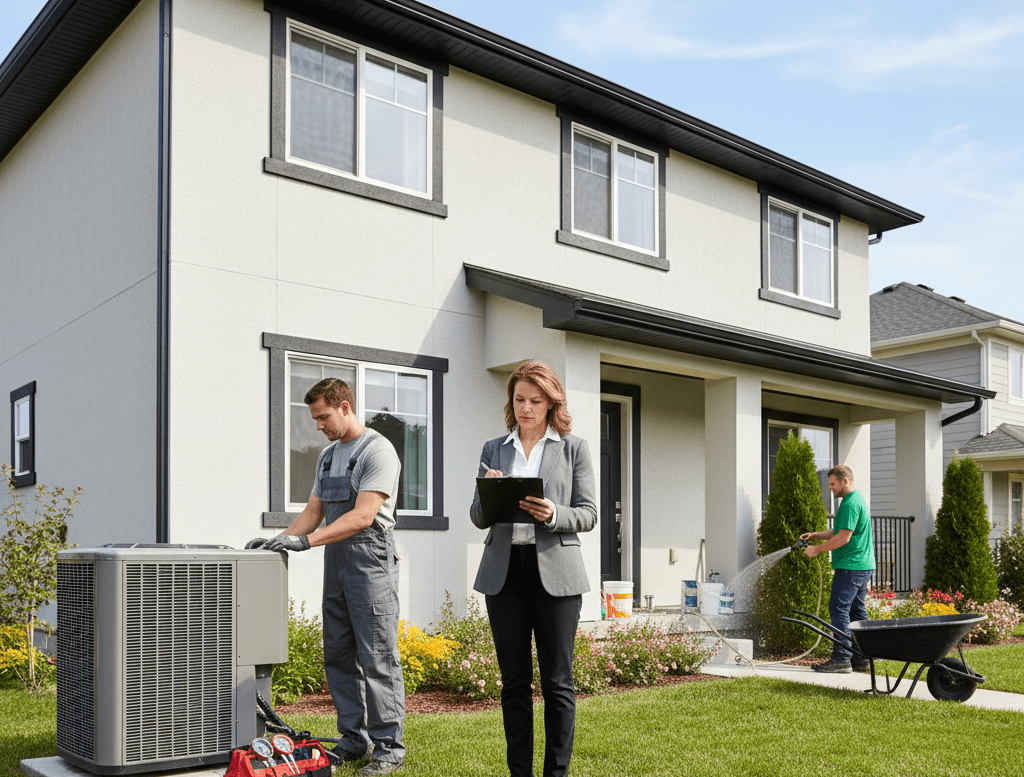
A well-organized maintenance plan simplifies management and reduces stress for investors. Key steps include:
1. Schedule Regular Inspections
Conduct property inspections quarterly or semi-annually to identify potential issues early. Inspections should cover roofing, plumbing, electrical systems, and appliances. Document findings and schedule necessary repairs.
2. Create a Maintenance Checklist
A checklist ensures that all tasks are completed on schedule. Include seasonal items, preventive maintenance, and tenant-requested repairs. This system allows landlords to stay organized and track completed work efficiently.
3. Hire Qualified Professionals
While some maintenance tasks can be handled personally, professional contractors provide expertise for plumbing, electrical, HVAC, and structural work. Having trusted vendors ensures repairs are done correctly and quickly.
4. Budget for Maintenance Costs
Investors should allocate a portion of rental income to maintenance. Industry standards suggest setting aside 1–2% of property value annually for upkeep. Budgeting prevents unexpected expenses from impacting profitability.
To identify properties that are easier to maintain or already well-managed, investors can explore available options for buying properties or rentals that suit their strategy.
Common Rental Property Maintenance Challenges
Handling Emergency Repairs
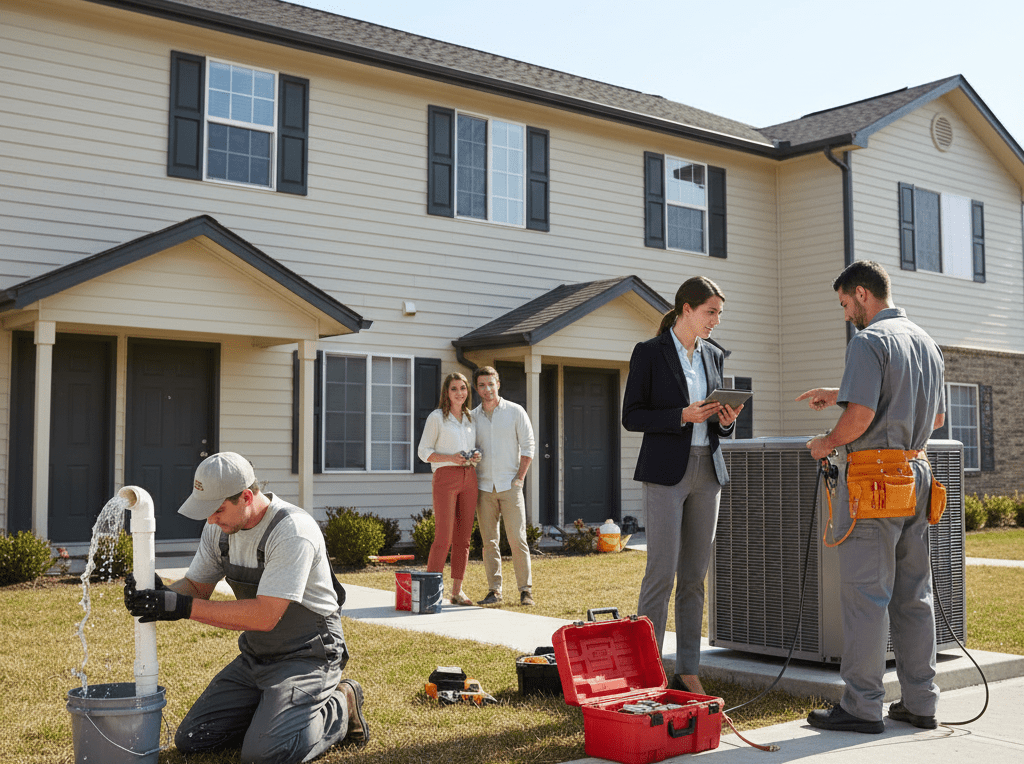
Emergencies such as water leaks, electrical failures, or broken HVAC systems can occur at any time. Establish a process for tenants to report emergencies, and ensure you have access to reliable contractors for quick response.
Tenant Communication
Clear communication helps manage expectations. Inform tenants about scheduled maintenance, response times, and responsibilities for minor upkeep. Open communication reduces misunderstandings and fosters a positive landlord-tenant relationship.
Managing Multiple Properties
Investors with multiple rental units face the challenge of prioritizing tasks and scheduling maintenance efficiently. Property management software can help track repairs, inspections, and expenses across multiple properties.
Investors can also consult Heritage Capital & Real Estate to get professional support and advice for managing multiple properties efficiently.
Seasonal Maintenance Tips
Spring and Summer
- Inspect and clean gutters
- Service air conditioning units
- Maintain landscaping and outdoor spaces
- Check roofs for damage
Fall and Winter
- Service heating systems
- Inspect windows and insulation
- Prepare plumbing for freezing temperatures
- Test smoke and carbon monoxide detectors
Adhering to seasonal maintenance schedules helps prevent major issues and ensures year-round property readiness.
Cost-Effective Strategies for Rental Property Maintenance
- Bundle Services: Negotiate contracts with service providers for multiple properties to reduce costs.
- DIY When Possible: Handle minor repairs and touch-ups personally to save on labor costs.
- Preventive Upgrades: Replace aging appliances and systems proactively to avoid expensive breakdowns.
- Energy Efficiency: Invest in energy-efficient appliances and insulation to reduce utility expenses.
How Maintenance Affects Property Value and ROI
Well-maintained properties attract higher-quality tenants and can command higher rents. Consistent rental property maintenance ensures that property values remain stable or increase over time.
For investors expanding their portfolio, working with experienced real estate professionals can help identify buying opportunities or available rentals with excellent maintenance histories.
Tips for Maintaining Tenants’ Trust
- Respond promptly to repair requests
- Schedule routine maintenance with advance notice
- Provide clear guidance on tenant responsibilities
- Maintain open communication channels
Happy tenants are more likely to renew leases and take better care of the property, which in turn reduces the workload and cost for the investor.
Conclusion
Effective rental property maintenance is vital for protecting your investment, satisfying tenants, and ensuring long-term profitability. Implementing a proactive maintenance plan, budgeting appropriately, and leveraging professional services helps investors minimize stress, prevent costly repairs, and enhance ROI.
Maintenance isn’t just about fixing problems, it’s about creating a reliable, safe, and attractive living environment that keeps tenants happy and properties valuable for years to come.
FAQs
1. What is rental property maintenance?
It includes all activities required to keep a property safe, functional, and appealing for tenants, including preventive and corrective tasks.
2. How often should maintenance be performed?
Routine checks should be performed quarterly or semi-annually, with seasonal tasks scheduled appropriately.
3. Does maintenance increase property value?
Yes, well-maintained properties attract better tenants, reduce vacancy, and maintain or increase property value.
4. Should I hire professionals for all maintenance?
Not all tasks require professionals. Small repairs can be DIY, but major plumbing, electrical, or HVAC work should be handled by licensed contractors.
5. How do I budget for maintenance?
Investors typically set aside 1–2% of property value annually to cover repairs, preventive maintenance, and emergency costs.
6. Can tenants help with property maintenance?
Tenants can assist by reporting issues promptly and performing minor upkeep, but landlords remain responsible for overall property condition.